

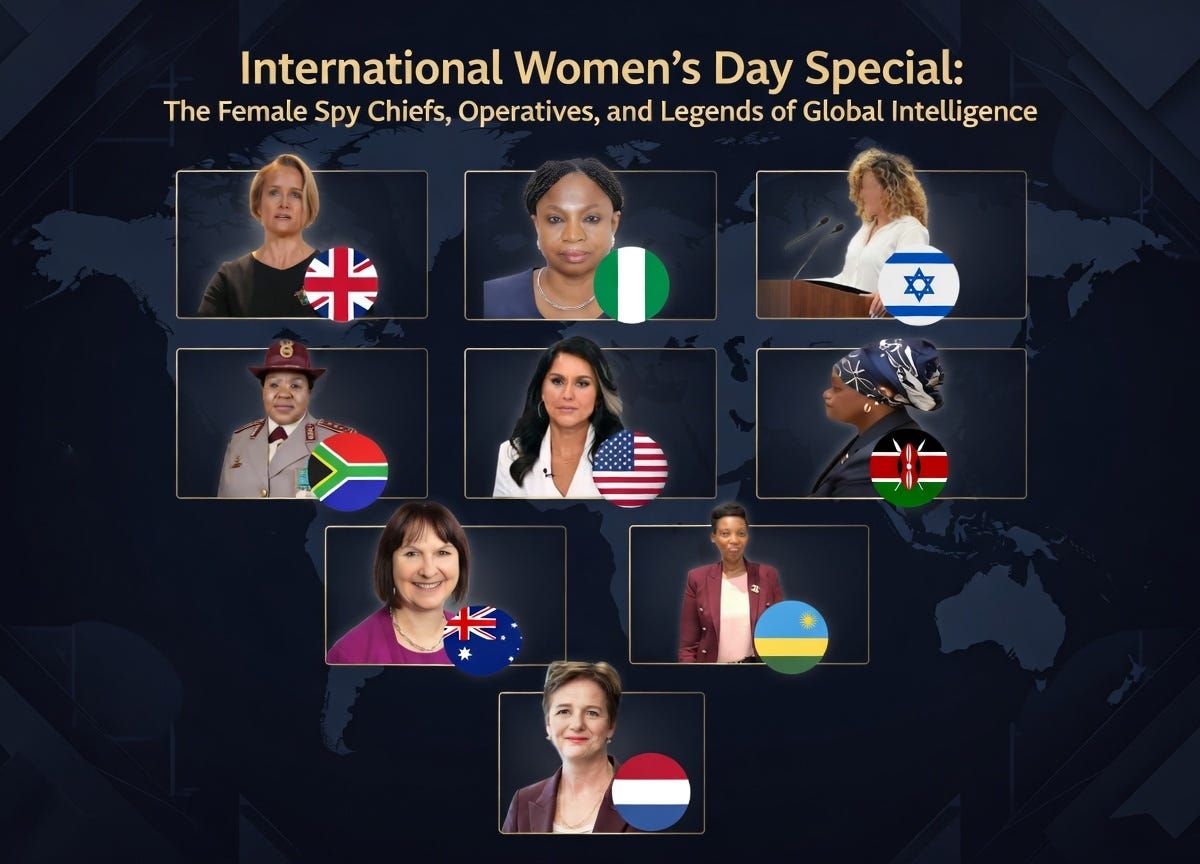
Ujasusi Blog Tradecraft Desk | 08 March 2026 | 0215 GMT
On 8 March 2026, the global intelligence community presents a picture that would have been unimaginable to the founding fathers of the modern spy state. Britain’s foreign intelligence service, MI6, the storied institution that gave the world James Bond and a century of covert operations, is now led by a woman. Australia’s entire national intelligence architecture is predominantly female at its apex. Israel’s Mossad has quietly installed women at the top of its entire intelligence directorate, describing the development itself as unprecedented. And across Africa, a quiet revolution in intelligence leadership has been underway for over a decade, largely ignored by Western commentary.
This is not a story about symbolism. It is a story about power: who holds it, who exercises it, and how the architecture of state secrecy is being reconfigured from the inside. For World Women’s Day 2026, Ujasusi Blog maps the full landscape: the women currently running major intelligence services; the modern-era figures who broke the most significant barriers; the African trailblazers whose contributions remain criminally underreported; and the historical operatives whose courage under the most extreme conditions laid the foundations upon which every female intelligence officer today stands.
Table of Contents
🔐 Who Is Running the World’s Intelligence Services Right Now?
Blaise Metreweli — Chief of MI6, United Kingdom
Anne Keast-Butler — Director, GCHQ, United Kingdom
Tulsi Gabbard — Director of National Intelligence, United States
Australia: A Female Intelligence Architecture (Kerri Hartland, Rachel Noble, Kathy Klugman, Heather Cook)
Simone Smit — Director-General, AIVD, Netherlands
Mossad’s Silent Revolution: Agents Aleph, Kuf, and Hay
Agnes Shikuku — Deputy Director-General, NIS, Kenya
Folashade Adekaiyaoja — Deputy Director-General, DSS, Nigeria
Lt-Gen Thalita Mxakato — Chief of Defence Intelligence, South Africa
🏛️ The Barrier-Breakers: Women Who Redefined Intelligence Leadership
Stella Rimington — Director General, MI5 (1992–1996)
Eliza Manningham-Buller — Director General, MI5 (2002–2007)
Gina Haspel — Director, CIA (2018–2021)
Avril Haines — Director of National Intelligence (2021–2025)
Letitia Long — Director, NGA (2010–2014)
Jonna Mendez — Chief of Disguise, CIA
Sandra Grimes — CIA Analyst, Aldrich Ames Investigation
Ana Belén Montes — DIA Analyst, Cuban Agent (1985–2001)
Anna Chapman — SVR Illegal (arrested 2010)
Amaryllis Fox — CIA Clandestine Service Officer
🌍 Africa’s Intelligence Trailblazers
Dr Monica Juma — National Security Adviser, Kenya (2022–2026)
Gladys Sonto Kudjoe — Director-General, SSA, South Africa (2013–2016)
Ambassador Thembisile Majola — Director-General, SSA, South Africa (2022–2023)
Ambassador Gloria Nozuko Bam — Director-General, SSA, South Africa (2024–2025)
Lt-Gen Thalita Mxakato — Chief of Defence Intelligence, SANDF (2021–present)
Lynder Nkuranga — Director of External Intelligence, NISS, Rwanda (2020–2021)
🕰️ The Historical Foundations: Women Who Built the Tradecraft (Premium)
Virginia Hall — SOE/OSS (1941–1945)
Vera Atkins — SOE F Section (1941–1945)
Noor Inayat Khan — SOE F Section (1943–1944)
Christine Granville (Krystyna Skarbek) — SOE (1939–1945)
Elizebeth Smith Friedman — US Treasury/Coast Guard/OSS (1916–1945)
Violette Szabo — SOE F Section (1944)
Josephine Baker — French Resistance Intelligence (1940–1944)
Odette Sansom — SOE F Section (1942–1944)
Melita Norwood — KGB Agent (1937–1992)
Mata Hari (Margaretha Zelle) — Alleged German/French Agent (1916–1917)
📊 What Does This Landscape Tell Us?
🔐 Who Is Running the World’s Intelligence Services Right Now?
The following women are currently serving in confirmed, senior leadership roles across national intelligence agencies. The list is weighted towards Five Eyes and allied services, a structural reality that itself constitutes an analytical finding. India’s Intelligence Bureau and Research and Analysis Wing have never had a female director. Russia’s SVR and FSB have no women in their senior leadership tier. China’s Ministry of State Security is opaque, but no female leadership has been publicly identified at any level. The glass ceiling in intelligence is cracked, not broken.
🇬🇧 Blaise Metreweli — Chief of MI6, United Kingdom
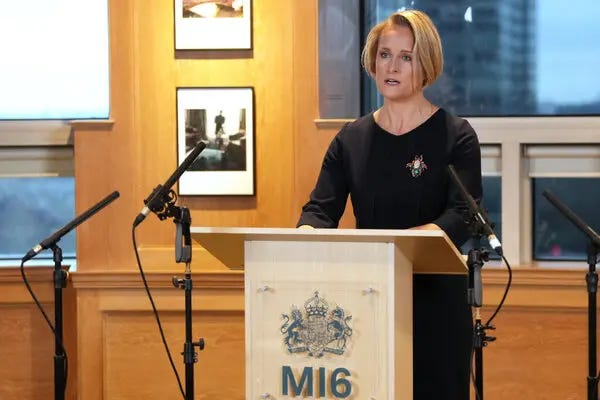
The appointment that made global headlines. In June 2025, Blaise Metreweli became the first woman to serve as Chief of the Secret Intelligence Service, MI6, in the organisation’s 116-year history. She formally assumed the role on 1 October 2025, taking the traditional designation “C.” A Cambridge graduate in anthropology who joined MI6 in 1999, Metreweli built her career across the Middle East and Europe and served as Director General of Technology and Innovation (MI6’s “Q”) before her elevation. She is an Arabic speaker. Her appointment signals not only a generational shift in MI6’s leadership culture but a deliberate institutional statement about the agency’s direction in an era dominated by technology, disinformation, and non-state threats. The full profile of Metreweli published at the time of her appointment remains the most comprehensive open-source account of her career.
🇬🇧 Anne Keast-Butler — Director, GCHQ, United Kingdom
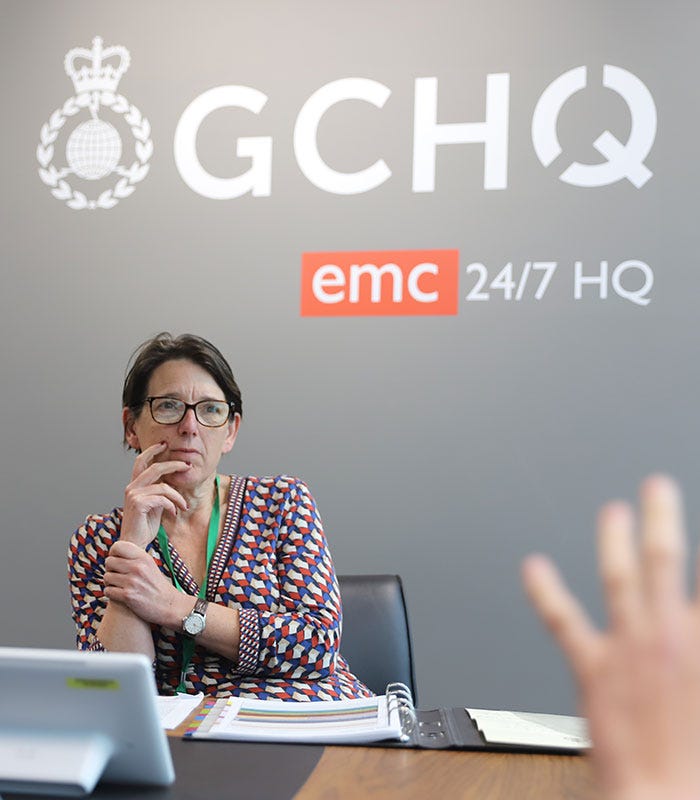
While Metreweli commands Britain’s foreign intelligence service, Anne Keast-Butler heads its signals intelligence counterpart. Appointed Director of GCHQ in 2023, Keast-Butler was the first woman to lead the organisation. She previously served as Deputy Director General of MI5. The combination of Keast-Butler at GCHQ and Metreweli at MI6 means that, as of 2025, two of Britain’s three principal intelligence agencies are led by women, a development with no historical precedent in any major intelligence power.
🇺🇸 Tulsi Gabbard — Director of National Intelligence, United States
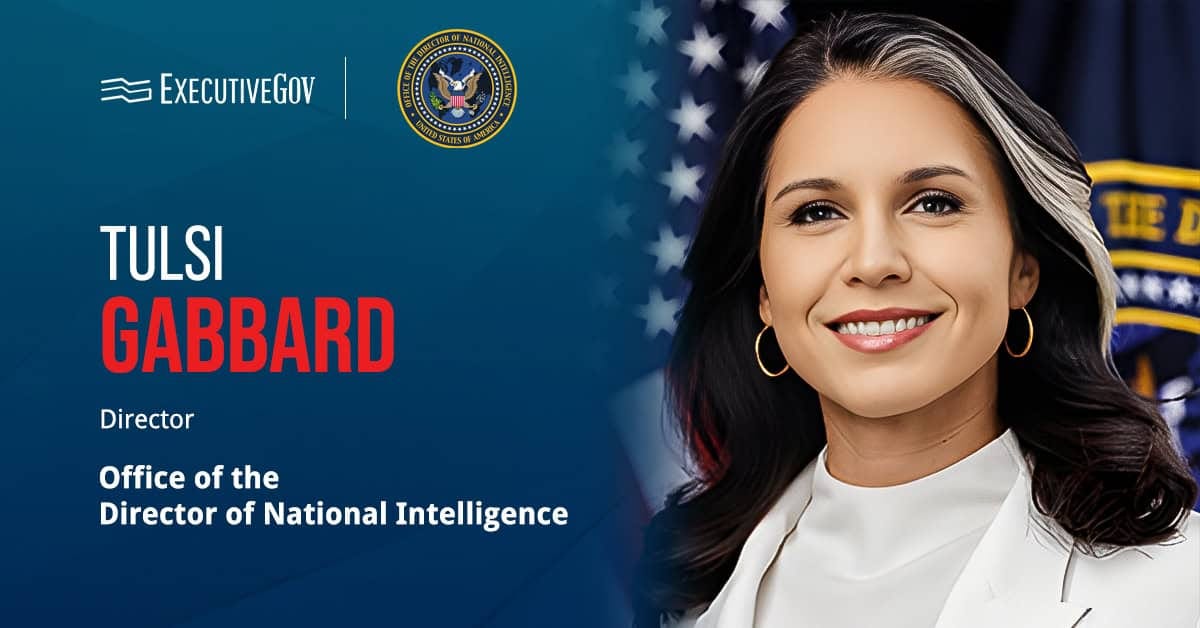
Confirmed by the United States Senate on 12 February 2025, Tulsi Gabbard became the Director of National Intelligence, the position that sits atop all eighteen US intelligence agencies, including the CIA, NSA, DIA, and NGA. The first female military combat veteran to hold the DNI position, Gabbard’s appointment was among the most politically contested confirmations in recent memory. Regardless of the political context, her operational authority over the breadth of American intelligence collection, analysis, and covert action makes her one of the most powerful intelligence figures on the planet.
🇦🇺 Australia: A Female Intelligence Architecture
No country has done more to advance women to the apex of its national intelligence community than Australia. Four separate agencies are currently led by women:
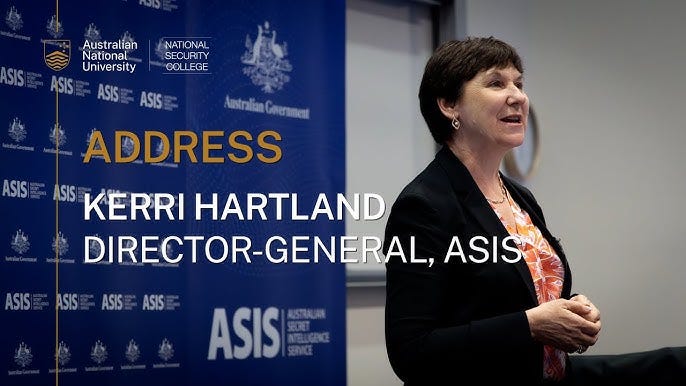
Kerri Hartland serves as Director-General of the Australian Secret Intelligence Service (ASIS), Australia’s MI6 equivalent, having been appointed in February 2023 as its first female leader. A former journalist and senior public servant, Hartland previously served as Deputy Director-General of ASIO.
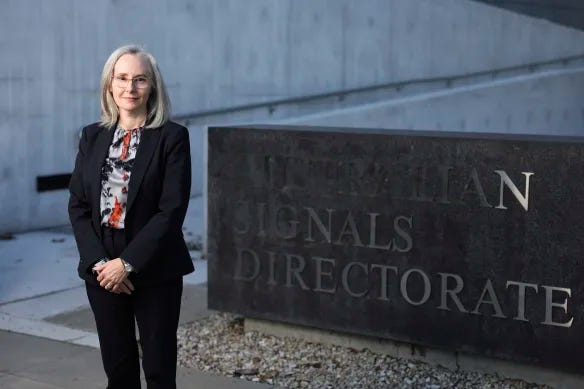
Rachel Noble has led the Australian Signals Directorate (ASD), Australia’s NSA equivalent, since 2020, becoming its first female Director-General.
Kathy Klugman became Director-General of the Office of National Intelligence (ONI) in December 2025, the first woman to lead the organisation in its 47-year history. A former Principal Adviser to Prime Minister Albanese, Klugman is an Indo-Pacific specialist and former High Commissioner to Sri Lanka.
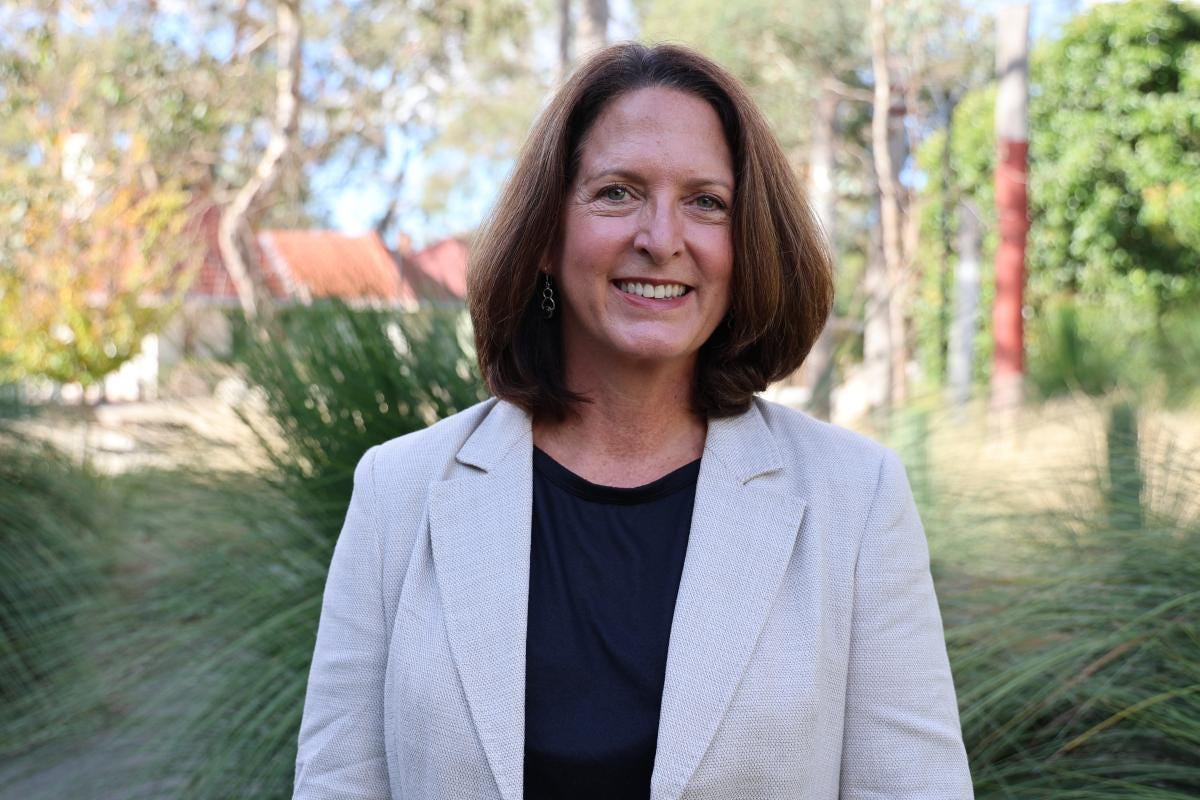
Heather Cook serves as CEO of the Australian Criminal Intelligence Commission (ACIC), which holds covert collection capabilities including telephone intercept and physical surveillance; it is a substantive intelligence agency, not merely a law enforcement body. Cook is the first woman to hold the position.
The collective picture is striking. Australia’s national intelligence community currently has more female agency chiefs than any other country in the world.
🇳🇱 Simone Smit — Director-General, AIVD, Netherlands
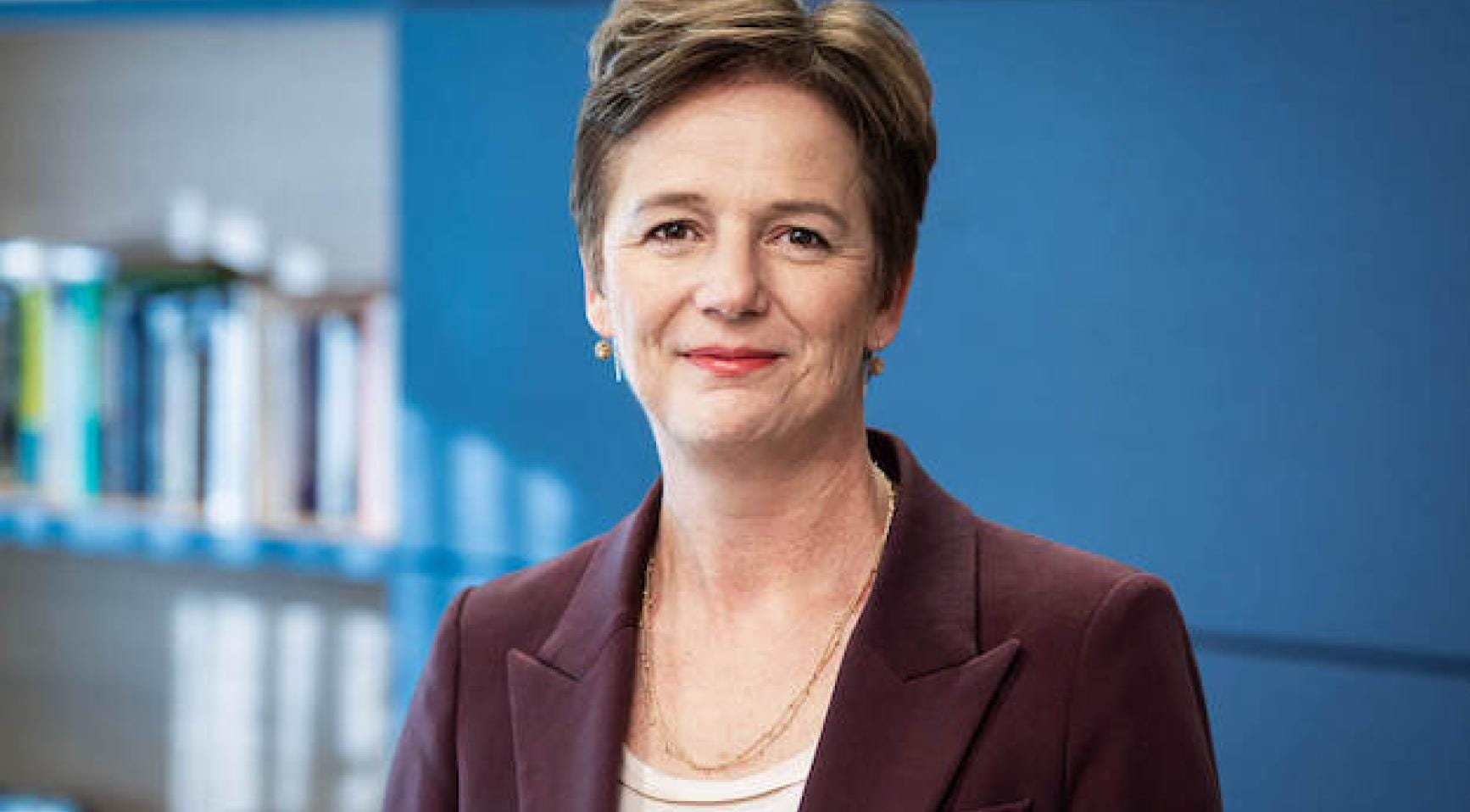
On 1 March 2026, one week before this article’s publication, Simone Smit became the first woman to lead the AIVD, the Netherlands’ General Intelligence and Security Service. She had served as the agency’s Deputy Director-General since 2021, previously heading its counterterrorism operations. Her appointment comes as the AIVD faces an intensifying operational environment characterised by Russian hybrid warfare, Chinese economic espionage, and domestic radicalisation. Smit represents the most recent addition to the roster of current female intelligence chiefs.
🇮🇱 Mossad’s Silent Revolution: Agents Aleph, Kuf, and Hay
Perhaps the most significant, and least reported, development in intelligence leadership involves Israel’s Mossad. Three senior women currently lead the entire intelligence directorate of one of the world’s most operationally active services, all operating under classified identities.
Agent Aleph serves as Director of Intelligence within Mossad, appointed in 2022. She manages the agency’s collection, research, and analysis architecture and is responsible for the intelligence framework governing Iran’s nuclear programme and terrorism.
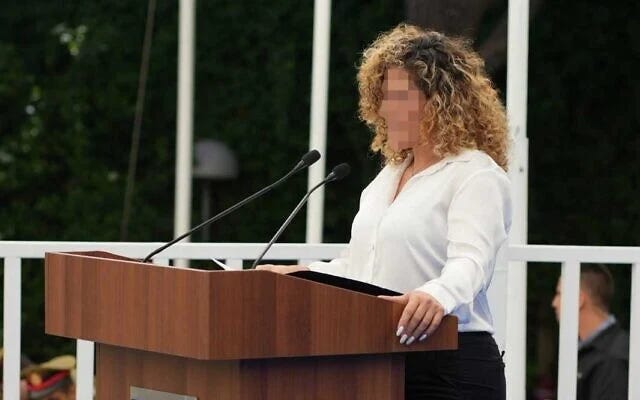
Agent Kuf heads the Iran Desk, described as one of Mossad’s most senior operational positions, integrating operations, technology, and intelligence across all dimensions of the Iranian threat. Agent Hay serves as Deputy Director of Intelligence, functioning as Agent Aleph’s direct deputy.
Mossad itself has described the current composition of its intelligence branch leadership as “unprecedented.” In an agency where operational security routinely supersedes public disclosure, the fact of this announcement at all is itself analytically significant.
🇰🇪 Agnes Shikuku — Deputy Director-General, NIS, Kenya

Appointed in November 2023 by Director-General Noordin Haji, Agnes Shikuku became the first woman to serve as Deputy Director-General of Kenya’s National Intelligence Service. A lawyer by training, Shikuku previously served as Director of Administration within the NIS and played a key role in the investigation of the Artur Brothers incident, one of Kenya’s most serious intelligence scandals. Her presence at a documented meeting between President Ruto, then-CIA Director William Burns, and NIS leadership at State House signals her position at the genuine apex of Kenya’s intelligence architecture, not as a ceremonial appointment.
🇳🇬 Folashade Adekaiyaoja — Deputy Director-General, DSS, Nigeria
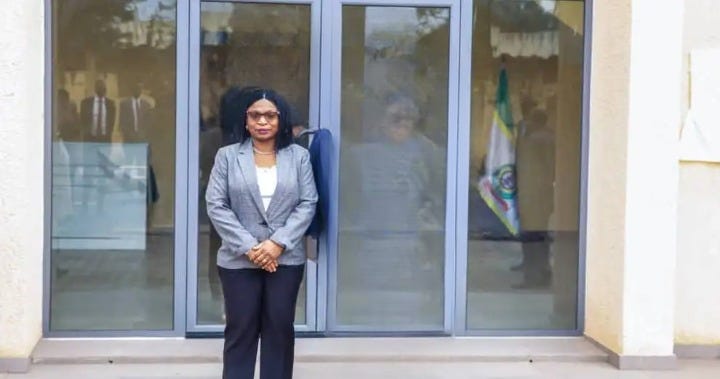
On 14 January 2025, President Bola Tinubu approved the appointment of Folashade Arinola Adekaiyaoja as Deputy Director-General of Nigeria’s Department of State Services; she was the first woman to hold the position in the service’s history. The appointment came on the recommendation of DSS Director-General Oluwatosin Ajayi and was endorsed by National Security Adviser Nuhu Ribadu. A career DSS officer, Adekaiyaoja was described by former DSS Director Mike Ejiofor as “the most senior and only person qualified to occupy the position,” a characterisation that frames her appointment as a recognition of professional seniority rather than a diversity gesture. The DSS is Nigeria’s principal domestic counterintelligence and security service, operating across counterterrorism, counter-espionage, and protective intelligence.
🇿🇦 Lt-Gen Thalita Mxakato — Chief of Defence Intelligence, South Africa

Appointed by President Cyril Ramaphosa on 14 April 2021, Lieutenant-General Thalita Mxakato became the first woman to serve as Chief of Defence Intelligence of the South African National Defence Force; simultaneously, she was the first woman ever promoted to the rank of Lieutenant-General in the entire history of South Africa’s armed forces. A veteran of Umkhonto we Sizwe who completed her basic training in Angola and specialist training in East Germany, Mxakato joined the SANDF upon its formation in 1994 and entered the Defence Intelligence Division in 2003. She oversees strategic threat assessment, cyber intelligence, and regional security intelligence. She remains in post as of March 2026.