


Raila Odinga, the leader of Azimio La Umoja, claims to have worked with ethical hackers to determine the truth about the last General Election, which he claims he won by over 2.2 million votes.
In an interview with Ramogi TV on Monday, the former Prime Minister stated that he did not want to comment on the election until he had all of the facts.
He stated that he enlisted the help of ethical hackers from outside the country in order to learn the truth about the recent elections.
“I did not want to talk about the results and elections, I could have been seen to be lamenting a lot. I had to look for ethical hackers to know the truth,” Raila told Ramogi TV.
According to Raila, the hackers entered the country with their machines, but their movements were tracked for about a month, forcing them to work outside of Nairobi.
“We got them from abroad and they came with their machines. They had to go as far as Athi River, some in Kajiado and even Kiambu because they were being tracked for about a month.” Odinga added.
The ODM leader, who has demanded that Kenya's electoral body, the IEBC, open its servers for scrutiny, went on to say that ethical hackers provided them with information about the polls that they had kept hidden.
“These revelations came while I was in South Africa, so I promised my supporters that I would address them once I am back in the country. It was evident that Ruto did not win clean from the last general elections.” Raila added.
“Mr. Ruto got 5.9M while Azimio got 8.1M. We won the last election with a margin of 2.2M,”
MEANWHILE
Political aides hacked by ‘Team Jorge’ in run-up to Kenyan election
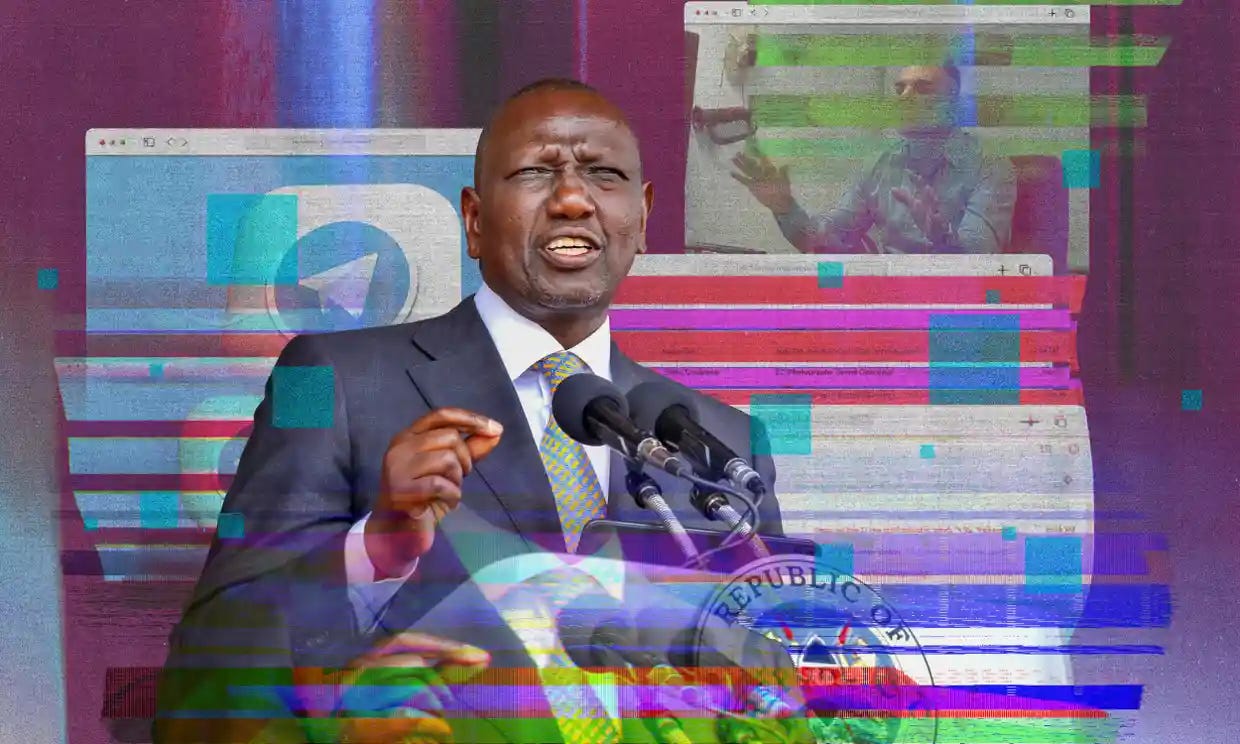
An Israeli disinformation specialist hired to run covert dirty tricks campaigns in African elections hacked political advisers close to Kenya’s president, William Ruto, in the run-up to last year’s election, an investigation can reveal.
The interference did not prevent Ruto winning the poll, nor the peaceful transfer of power in Kenya, but the revelation highlights the growing risks posed by the involvement of bad actors and paid operatives in the relatively new democratic systems and institutions across Africa.
Tal Hanan, a self-described “chairman” of “Team Jorge”, an Israeli operation run from an industrial park 20 miles north of Tel Aviv, boasted to undercover reporters that he was able to disrupt elections through black ops and disinformation services.
Days before Kenya’s 2022 election, he gave a demonstration of his capabilities, showing how he could use hacking techniques to infiltrate the messages of political advisers.
Hanan’s operations were exposed on Wednesday by the Guardian and an international consortium of reporters led by the French nonprofit Forbidden Stories. In a statement about the investigation, Hanan said: “I deny any wrongdoing.”
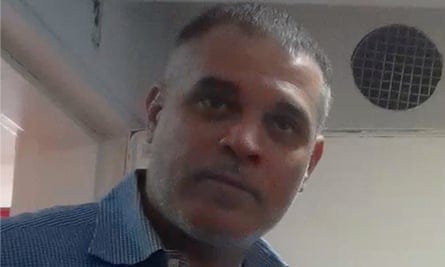
During the same meeting, Hanan claimed to have “completed 33 different campaigns, presidential-level campaigns” and suggested a significant proportion of these were in Africa.
The demonstration by Hanan raises questions about whether his meddling in the Kenyan election was more widespread than the brief examples shown to the undercover reporters. There is no evidence of who may have been behind any interference or that the political advisers were aware of the hacks.
Hanan, a 50-year-old former explosives specialist in Israel’s military, showed how, once he had gained access to an account, Team Jorge could send messages without the user’s knowledge or consent. His aim was often “to create confusion” during a campaign, he said, explaining that “the biggest thing is to put sticks between the right people”.
One Telegram account Hanan infiltrated before the Kenyan election belonged to a strategist who is now an aide to the president. Scrolling through the Telegram account and personal chats during a demonstration to the undercover reporters, Hanan showed how, once the hackers had access to accounts, they could send messages to their contacts.
To illustrate this, he sent an oblique message – the number 11 – before deleting it.
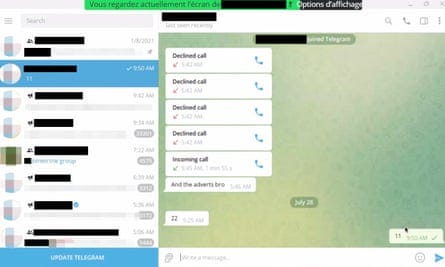
However, Hanan made a critical mistake and did not fully delete the message. An examination of the recipient’s phone confirmed the falsified message was received. Hanan also seemed to search the files of the hacking victim, appearing to retrieve internal polling data related to the forthcoming election.
In other demonstrations, he appeared to enter the Gmail account and the Telegram account of two other close advisers to Ruto. It is unclear which of these tactics, if any, Hanan deployed in the Kenyan election and what their effect may have been.
Google, which runs the Gmail service, declined to comment.
Telegram said: “Accounts on any massively popular social media network or messaging app can be vulnerable to hacking or impersonation unless users follow security recommendations and take proper precautions to keep their accounts secure.”
Hanan’s presentation to the undercover journalists underlines how an international cast of “consultants” has exploited growing social media use and internet penetration in Africa to manipulate and interfere with democratic processes in strategically important countries.
In recent years, dozens of polls across the continent have been marred by allegations that political actors have hired foreign companies to provide a variety of services, from legitimate polling and public relations work to voter suppression.
Documents leaked to the Guardian confirm Team Jorge was involved in the 2015 elections in Nigeria. An analysis of thousands of bots associated with his disinformation software also suggests the team was involved in spreading disinformation in the 2019 presidential election in Senegal.
Hanan also showed the undercover reporters screenshots that suggested he could access the email inboxes of senior government officials elsewhere on the continent, and described employees posing as journalists to gather useful information during election campaigns in Africa.
Though both sides in the 2022 poll in Kenya were accused of manipulation, disinformation and dirty tricks, the elections in the east African country were seen as a significant achievement for its democratic institutions and important for reinforcing regional stability.
Election observers described the most recent poll as “largely peaceful and transparent”. Previous elections in Kenya have been marred by widespread violence. In 2007, polls triggered a crisis and led to more than 1,000 deaths.
Raila Odinga, the veteran politician whose Azimio la Umoja coalition lost the 2022 election by less than 2%, has repeatedly claimed the results of the poll were fraudulent. Kenya’s supreme court rejected his allegations and said they were based on “falsified evidence” in a judgment in September. Independent analysts have also said the claims are unfounded.
Odinga continues to claim the poll was rigged, citing statements by an unidentified former election commission official and a dossier that is still causing controversy in Kenya. He did not respond to requests for comment.