A Familiar Playbook
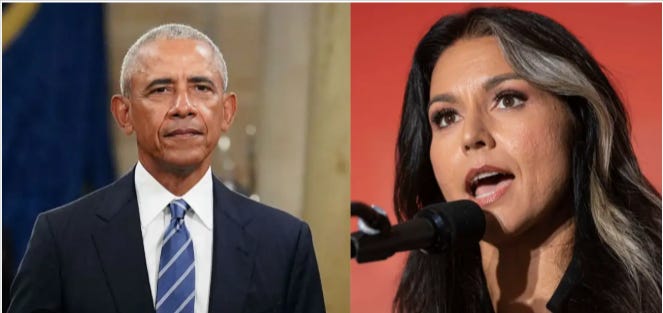
The Trump administration, through Director of National Intelligence (DNI) Tulsi Gibbald, recently alleged that the Obama administration manipulated intelligence regarding Russia’s interference in the 2016 U.S. election. This claim resurfaces a long-debated narrative—but the timing raises suspicions.
With renewed scrutiny over Donald Trump’s connections to Jeffrey Epstein following newly unsealed court documents, many analysts see this as a deliberate diversion tactic. Here’s why the Russia intel claim is likely a smokescreen.
1. The Epstein Scandal: Why Trump Needs a Distraction
Recent revelations from Epstein-related court filings have reignited questions about Trump’s associations with the convicted sex offender. Key points fueling public and media pressure:
Flight logs and social ties: Trump’s name appears in Epstein’s flight logs and past interviews where he acknowledged their friendship.
New witness testimonies: Unsealed documents contain allegations linking powerful figures, keeping Trump in the spotlight.
Political fallout: As legal scrutiny intensifies, Trump’s team seeks to shift focus elsewhere.
By reviving the "Obama doctored Russia intel" narrative, Trump’s camp redirects media attention toward a familiar partisan battleground—Russia’s election interference—rather than his Epstein ties.
2. The Russia Intel Claim: A Recycled Conspiracy
The allegation that Obama officials manipulated intelligence is not new. Similar claims were pushed by Trump allies during his presidency, often without conclusive evidence. Key issues with this narrative:
Bipartisan consensus: Multiple intelligence agencies (FBI, CIA, NSA) confirmed Russian interference.
Republican-led Senate report (2020): Affirmed Russia’s efforts to help Trump.
No credible proof of "doctoring": The claim relies on selective leaks rather than verified intelligence assessments.
By reviving this debate, Trump’s team fuels partisan outrage while sidelining damaging Epstein headlines.
3. Historical Precedent: Trump’s Use of Diversions
This follows a well-established Trump playbook:
2016: Emails and "lock her up" chants shifted focus from the Access Hollywood tape.
2019: Ukraine-Biden allegations emerged as impeachment pressures mounted.
2024: Reviving the Russia-Obama narrative coincides with Epstein revelations.
Each time, controversial claims serve as cover for deeper scandals.
4. Media & Public Reaction: Will It Work?
Right-wing media: Amplifies the "Obama spying" narrative, reinforcing Trump’s base.
Mainstream press: Some outlets may take the bait, but others (e.g., NYT, WaPo) highlight Epstein links.
Public scepticism: Growing awareness of diversion tactics reduces effectiveness over time.
A Predictable Smokescreen
The Trump administration’s sudden focus on "Obama’s doctored intel" aligns suspiciously with escalating Epstein scrutiny. While the Russia interference debate is legitimate, its resurgence now appears politically motivated—a classic Trumpian misdirection.
As more Epstein documents surface, expect further attempts to change the subject. The question is: Will the public and media fall for it again?
☕ Support Ujasusi Blog
If you value the intelligence insights shared here, consider showing your support through a small donation. Your contribution helps keep this platform independent, focused, and thriving.
Scan below to donate: