

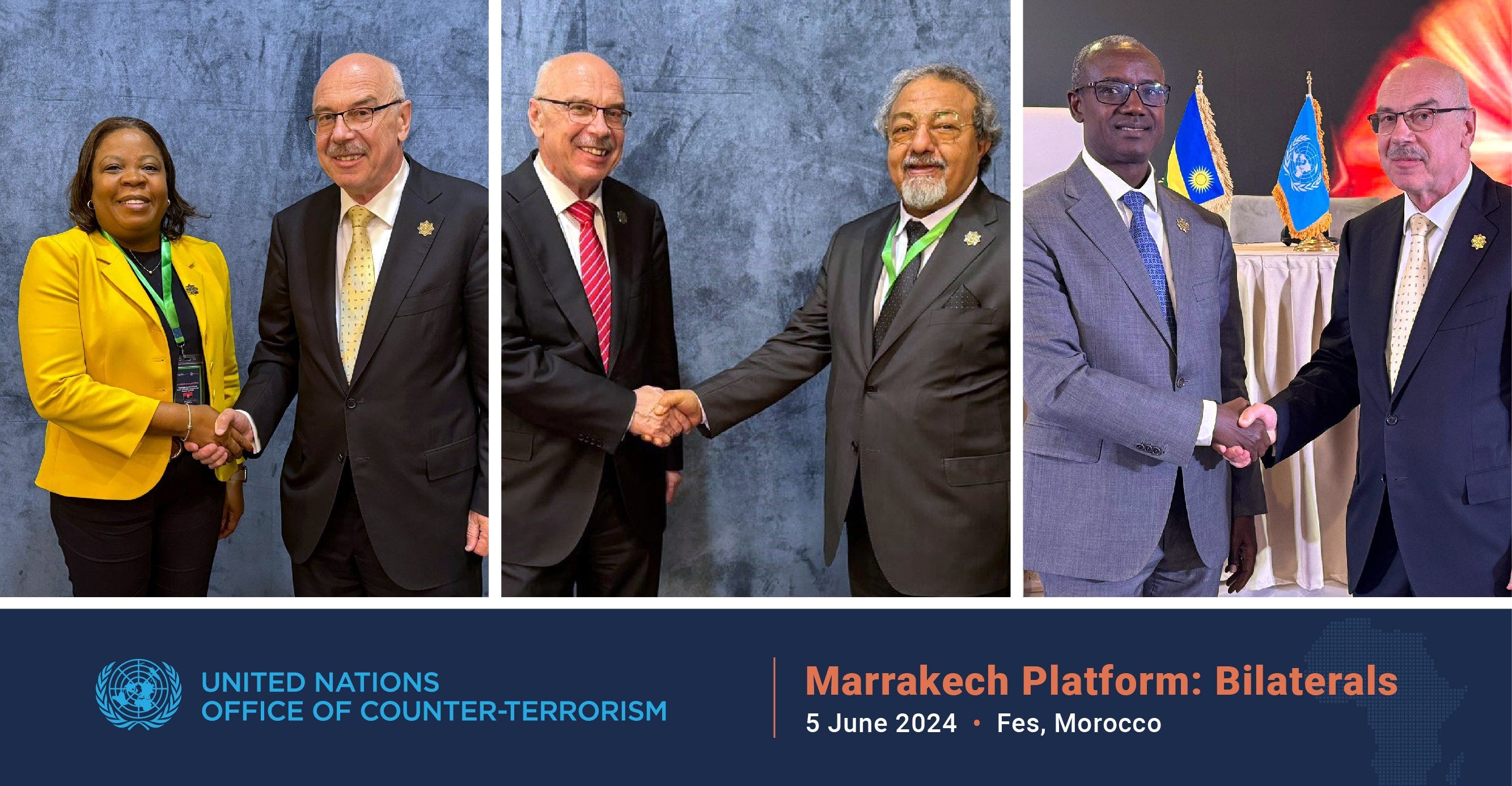

The third edition of the high-level meeting of Heads of Counter-Terrorism and Security Agencies in Africa, known as the "Marrakech Platform," convened on June 4, 2024, in the historic city of Fez, Morocco.
This crucial gathering brought together top security officials, policymakers, and international experts to address the evolving threat of terrorism on the African continent and to forge stronger collaborations in counter-terrorism efforts.
The conference highlighted the significance of regional cooperation, intelligence sharing, and innovative strategies to combat terrorism and violent extremism in Africa.
Context and Objectives
The Marrakech Platform was established to provide a dedicated forum for African nations to discuss and coordinate their counter-terrorism strategies. The choice of Fez for this year’s meeting underscores Morocco's pivotal role in regional security and its historical commitment to fostering international cooperation. This edition focused on several key objectives: enhancing intelligence collaboration, addressing the root causes of terrorism, leveraging technology in counter-terrorism efforts, and strengthening the resilience of African societies against radicalization.
Key Participants and Contributions
The meeting saw participation from heads of counter-terrorism and security agencies from over 30 African countries, as well as representatives from international organizations such as the United Nations, the African Union, and INTERPOL. High-profile attendees included the Moroccan Minister of Foreign Affairs, African Cooperation, and Moroccan Expatriates, Nasser Bourita, who emphasized Morocco’s ongoing commitment to counter-terrorism and regional stability.
Nasser Bourita's opening remarks set the tone for the conference, stressing the importance of a unified African response to terrorism. He highlighted Morocco's proactive approach in combating terrorism through a balanced strategy that combines security measures with socio-economic development and religious education. His speech underscored the necessity of addressing not only the symptoms but also the underlying causes of terrorism.
Major Themes and Discussions
1. Enhancing Intelligence and Information Sharing:
One of the critical themes of the conference was the enhancement of intelligence and information sharing among African nations. The participants discussed the establishment of a more integrated and efficient intelligence network to ensure timely and accurate information dissemination. The goal is to preempt terrorist activities by improving coordination between national and regional agencies.
2. Addressing Root Causes of Terrorism:
Another significant focus was on addressing the socio-economic and political factors that contribute to terrorism. Discussions revolved around the need for comprehensive strategies that include poverty alleviation, education, and community engagement to prevent radicalization. The delegates emphasized the importance of investing in youth and creating economic opportunities to counter the lure of extremist ideologies.
3. Leveraging Technology in Counter-Terrorism:
The conference also highlighted the role of technology in modern counter-terrorism efforts. There were sessions dedicated to exploring how technological advancements, such as artificial intelligence, big data analytics, and cybersecurity measures, can be utilized to detect and counter terrorist activities. Experts presented case studies and best practices on using technology to enhance surveillance, track terrorist financing, and disrupt online radicalization.
4. Strengthening Regional Cooperation:
Strengthening regional cooperation was a recurring theme throughout the meeting. The participants acknowledged that terrorism is a transnational threat that requires a coordinated regional response. They discussed various mechanisms to enhance regional collaboration, such as joint training exercises, cross-border operations, and the harmonization of legal frameworks to facilitate extradition and prosecution of terrorists.
Outcomes and Resolutions
The Fez meeting concluded with several key resolutions aimed at bolstering counter-terrorism efforts across the continent:
1. Establishment of a Continental Intelligence Sharing Platform:
The attendees agreed to establish a continental intelligence sharing platform to facilitate real-time exchange of information. This platform will be managed by a dedicated task force comprising representatives from various African countries and supported by international partners.
2. Development of a Comprehensive Counter-Terrorism Strategy:
A resolution was passed to develop a comprehensive counter-terrorism strategy that addresses both immediate security concerns and long-term socio-economic factors. This strategy will involve close collaboration with civil society organizations, local communities, and international bodies.
3. Investment in Technology and Capacity Building:
The participants committed to investing in advanced technologies and capacity-building initiatives to enhance their counter-terrorism capabilities. This includes funding for research and development in cybersecurity, surveillance technologies, and intelligence analysis tools.
4. Promotion of Regional and International Partnerships:
The conference underscored the importance of fostering regional and international partnerships. Agreements were made to enhance collaboration with international organizations such as the United Nations Office of Counter-Terrorism (UNOCT) and INTERPOL to leverage their expertise and resources.
The Road Ahead
The third edition of the Marrakech Platform in Fez marked a significant step forward in Africa's collective effort to combat terrorism. The resolutions and commitments made during the conference reflect a robust and unified approach to addressing the multifaceted challenges posed by terrorism. Moving forward, the focus will be on implementing the agreed-upon strategies and ensuring that the resolutions translate into tangible actions.
The success of this high-level meeting lies in its ability to bring together diverse stakeholders and foster a spirit of cooperation and mutual support. As Africa continues to grapple with the threat of terrorism, platforms like the Marrakech Platform play a crucial role in shaping a coordinated and effective response. The outcomes of the Fez meeting will serve as a blueprint for future counter-terrorism initiatives, with the ultimate goal of creating a safer and more secure continent.
Conclusion
This meeting was a landmark event that underscored the importance of collaboration, innovation, and comprehensive strategies in the fight against terrorism. By bringing together top security officials and experts from across the continent, the Marrakech Platform has once again demonstrated its vital role in shaping Africa’s counter-terrorism landscape. As the continent moves forward, the resolutions and strategies developed in Fez will be instrumental in building a resilient and secure Africa.
SOURCE: Osint