

Originally published on 28 September 2025
🎯 Executive Summary
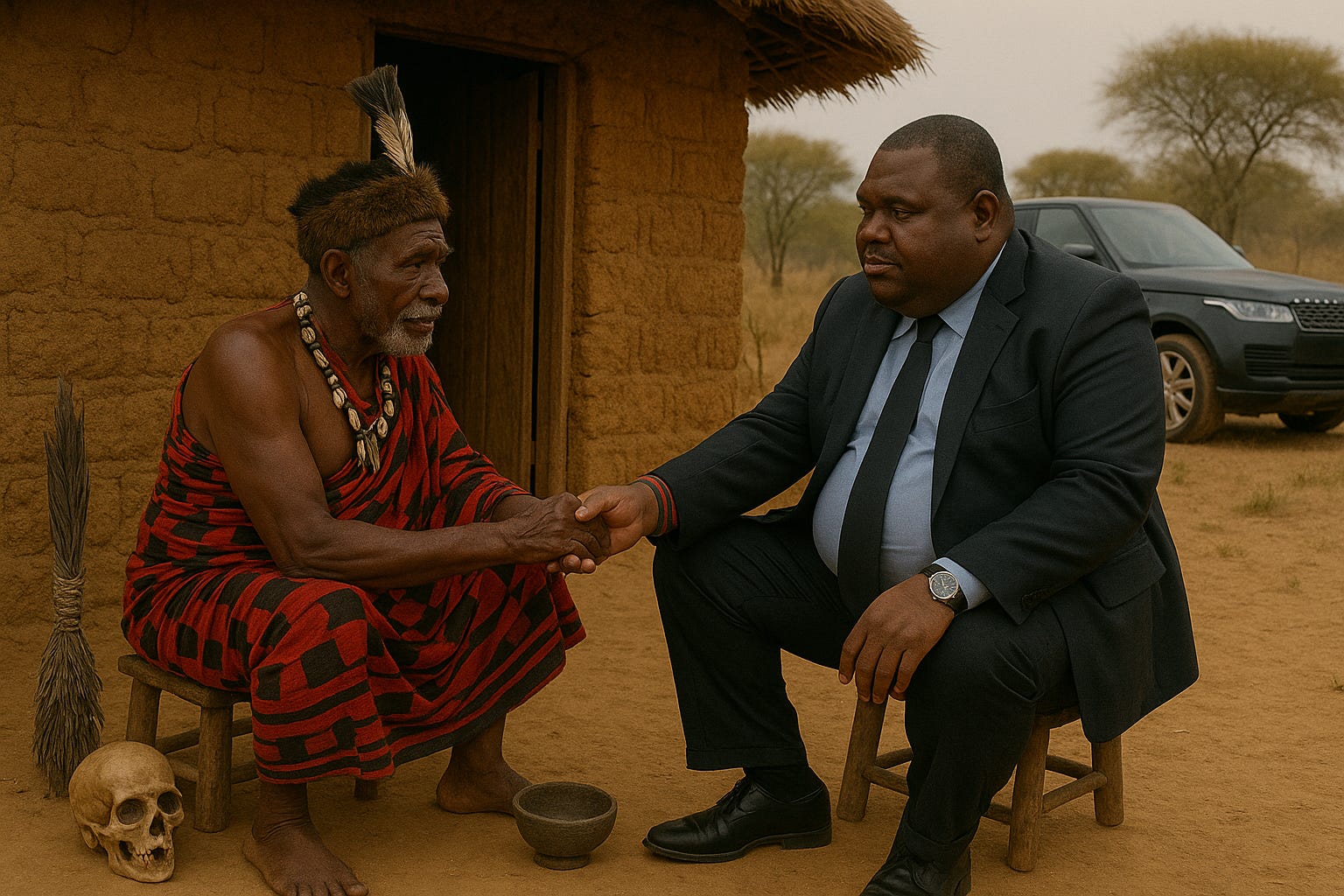
Tanzania’s governance challenges cannot be fully understood without examining the profound influence of traditional belief systems, particularly witchcraft, on institutional behaviour and public trust. This intelligence insight reveals how widespread beliefs in supernatural forces intersect with governance structures, creating unique vulnerabilities that sophisticated actors can exploit for corrupt practices. With Tanzania scoring 41 points out of 100 on the 2024 Corruption Perceptions Index, understanding these cultural dynamics becomes essential for comprehensive security and governance analysis.
📊 Intelligence Assessment Framework
Key Findings Overview
Prevalence: Witchcraft beliefs remain deeply embedded across Tanzanian society, transcending educational and socioeconomic boundaries
Institutional Impact: These belief systems “baffle and confront ruling elites with dilemmas on how to deal with it”
Corruption Nexus: Traditional power structures create parallel governance systems that can facilitate corrupt practices
Security Implications: Tanzania experiences “grim consequences by the entrenchment of witchcraft in the country, including social exclusion, expulsion and even murder”
🏛️ Historical Context and Legal Framework Evolution
Tanzania’s approach to witchcraft has undergone a significant transformation since independence. Colonial and post-colonial governments enacted laws to outlaw witchcraft beliefs and practices, suggesting these phenomena were mere “illusions or pretences” activities. However, this legalistic approach has proven insufficient, as evidenced by continued high prevalence rates across socioeconomic groups.
Legal scholars conclude that “witchcraft beliefs are too strong to be driven out by legal methods”, advocating instead for educational approaches that introduce scientific worldviews. This legal-cultural disconnect creates enforcement gaps that sophisticated actors can exploit for corrupt purposes.
Post-Socialist Transformation
Political and economic liberalisation since the 1990s has significantly influenced “the organisation and public perception of witchcraft, transforming” traditional practices. This transformation period coincided with increased opportunities for corruption as state institutions weakened and new economic systems emerged.
🔍 The Corruption-Witchcraft Nexus: Intelligence Analysis
Mechanism 1: Alternative Authority Structures
Traditional healers, diviners, and spiritual leaders often wield considerable influence parallel to formal governmental structures. These alternative authority figures can:
Legitimise corrupt practices through spiritual justification
Provide “supernatural protection” for illicit activities
Create networks of obligation and reciprocity that facilitate corruption
Undermine formal legal accountability through traditional conflict resolution
Mechanism 2: Information Asymmetry and Control
Witchcraft beliefs create unique information environments where:
Hidden Knowledge: Claims of supernatural insight can mask corruption or incompetence
Fear-Based Compliance: Threats of supernatural consequences can silence whistleblowers
Plausible Deniability: Supernatural explanations provide cover for corrupt outcomes
Network Security: Shared beliefs create closed-loop trust networks ideal for corrupt activities
Mechanism 3: Institutional Legitimacy Gaps
Recent research suggests that “people who believe in magic and those who believe in conspiracy theories produce meaning and make sense of the world by engaging in the same process”. This parallel thinking creates vulnerabilities where:
Citizens distrust official explanations, creating space for alternative narratives
Formal institutions lose credibility when they cannot address supernatural concerns
Corrupt officials can exploit legitimacy gaps by positioning themselves as spiritual intermediaries
📈 Quantitative Intelligence: Corruption Landscape
Current Metrics
Tanzania ranks 82nd out of 180 countries on the 2024 Corruption Perceptions Index with a score of 41/100, indicating significant corruption challenges. This positioning reflects deeper structural issues where traditional and modern governance systems intersect imperfectly.
Comparative Analysis
Public perception surveys reveal that “corruption often reflects deeper institutional issues, such as weak governance, flawed or non-existent accountability mechanisms, and cultures of patronage”. Research demonstrates strong correlations between corruption perceptions and economic growth, making this analysis crucial for development planning. The intersection with witchcraft beliefs amplifies these institutional weaknesses by:
Fragmenting accountability mechanisms across traditional and modern systems
Creating parallel legitimacy structures that can shield against corrupt practices
Reducing citizen engagement with formal anti-corruption institutions
🌍 Geopolitical and Security Implications
Regional Security Dynamics
Tanzania’s position as a regional stability anchor makes understanding these cultural-governance dynamics crucial for broader East African security analysis. The World Bank’s Worldwide Governance Indicators show how governance challenges can cascade across borders. Witchcraft-corruption nexuses can:
Undermine regional anti-corruption initiatives
Create exploitable vulnerabilities for external actors
Weaken institutional capacity for regional security cooperation
Generate social instability that affects neighbouring states
Intelligence Collection Challenges
For intelligence professionals, these dynamics create unique operational considerations:
Source Reliability: Traditional beliefs can influence information accuracy and interpretation
Network Mapping: Spiritual networks may parallel or intersect with corruption networks
Cultural Sensitivity: Intelligence operations must navigate complex cultural terrain
Predictive Analysis: Understanding belief systems becomes essential for anticipating governance outcomes
💡 Strategic Implications for Governance Reform
Short-term Considerations
Cultural Competency: Anti-corruption programmes must demonstrate understanding of traditional belief systems
Community Engagement: Reform efforts should incorporate traditional authority figures as partners rather than obstacles
Education Integration: Introducing “scientific view of the world” while respecting cultural values
Long-term Structural Reforms
Hybrid Governance Models: Developing systems that legitimately integrate traditional and modern authority structures
Institutional Strengthening: Building state capacity to address citizen concerns across cultural worldviews
Transparency Enhancement: Creating accountability mechanisms that function effectively across different belief systems
🔮 Future Intelligence Priorities
Research Gaps Requiring Investigation
Quantitative analysis of belief-corruption correlations across different regions
Network analysis of how traditional authority structures intersect with corrupt practices
Comparative studies with other African states facing similar challenges
Assessment of generational changes in belief systems and corruption tolerance
Operational Intelligence Requirements
Mapping of influential traditional leaders and their political networks
Understanding of seasonal or ritual factors that might influence corruption patterns
Analysis of how external actors might exploit cultural vulnerabilities
Monitoring of how modernisation affects traditional belief-corruption relationships
The intersection of witchcraft beliefs and corruption in Tanzania represents a complex intelligence challenge that requires sophisticated analytical frameworks. Widespread “belief in evil and hidden supernatural forces” affects not only “individual health” and “perceived security” but also fundamentally shapes governance dynamics.
Understanding these relationships is essential for:
Accurate Threat Assessment: Recognising how cultural factors amplify governance vulnerabilities
Effective Policy Design: Creating interventions that work within existing cultural frameworks
Strategic Planning: Anticipating how belief systems will evolve with modernisation pressures
Regional Analysis: Understanding Tanzania’s role in broader East African governance trends
For intelligence professionals and security analysts, this nexus represents both a challenge and an opportunity. By developing cultural competency in analysing belief-governance relationships, analysts can provide more nuanced and actionable intelligence that accounts for the full spectrum of factors influencing African governance systems.
The path forward requires neither dismissing traditional beliefs nor accepting corruption as culturally inevitable. Instead, it demands sophisticated analysis that recognises how cultural systems intersect with governance structures, creating both vulnerabilities and opportunities for positive change.
🔑 Upgrade your Ujasusi Blog subscription and get more for less. Switch to Annual and save 17%, or become a Founding Member to make a lasting impact while enjoying full access to exclusive intelligence insights.
You can also donate.