


Introduction
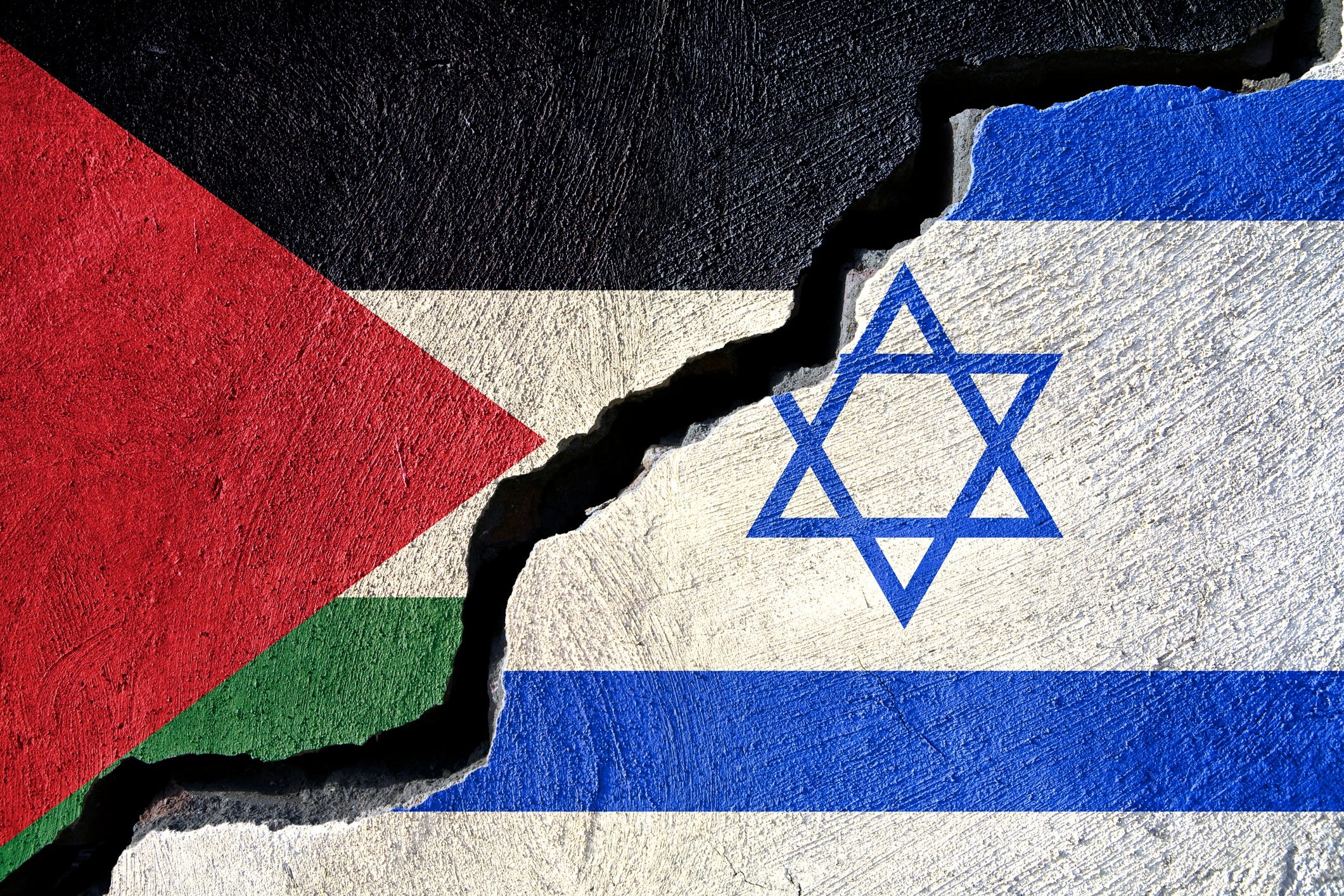
The Israeli-Palestinian conflict is one of the most protracted and complex conflicts in the world. It is marked by a long history of violence, territorial disputes, and political disagreements between the state of Israel and the Palestinian people. The notion of Israel "wiping out" Palestine is a deeply contentious and emotional issue. While there are concerns and fears on both sides, it is essential to engage in a thorough and balanced analysis of the situation.
This essay aims to provide an in-depth examination of the Israeli-Palestinian conflict and the prospects for peace. It will explore the historical context, the major factors contributing to the conflict, and ongoing peace efforts. It is important to emphasize that the goal is not to take a position on whether Israel will "wipe out" Palestine, but rather to provide a nuanced understanding of the situation as of the last available information in September 2021.
I. Historical Background
1.1 The British Mandate
The roots of the Israeli-Palestinian conflict can be traced back to the early 20th century when the British Mandate for Palestine began. The Balfour Declaration of 1917 expressed British support for the establishment of a "national home for the Jewish people" in Palestine, which was then part of the Ottoman Empire.
1.2 The Formation of Israel
Following World War II, and in the aftermath of the Holocaust, there was growing international support for the establishment of a Jewish state in Palestine. In 1947, the United Nations passed Resolution 181, recommending the partition of Palestine into separate Jewish and Arab states, with Jerusalem under international administration. This led to the declaration of the State of Israel on May 14, 1948.
1.3 The Palestinian Exodus
The establishment of Israel led to a mass exodus of Palestinian Arabs, known as the Nakba, who either fled or were expelled from their homes. This event continues to be a source of deep resentment and grievance among Palestinians.
II. Major Factors Contributing to the Conflict
2.1 Territorial Disputes
One of the central issues in the Israeli-Palestinian conflict is the territorial dispute. Both Israelis and Palestinians lay claim to the same land, particularly the West Bank, East Jerusalem, and the Gaza Strip. The status of Jerusalem, a city considered holy by both Jews and Muslims, remains a major point of contention.
2.2 Security Concerns
Israel has cited security concerns as a primary reason for its military presence in the West Bank and Gaza Strip. The ongoing conflict, characterized by sporadic violence and terrorism, has led to a continuing cycle of fear and mistrust.
2.3 Settlements and Occupation
Israeli settlements in the West Bank and East Jerusalem have been a significant obstacle to peace. These settlements are considered illegal under international law and are viewed by Palestinians as a land grab that undermines the prospects of a viable Palestinian state.
2.4 Refugees and Right of Return
The issue of Palestinian refugees and their right of return is another contentious matter. Palestinians argue for the right of return for those who were displaced in 1948, while Israel opposes it, fearing demographic changes that would threaten the Jewish majority.
III. Ongoing Peace Efforts
3.1 The Oslo Accords
The Oslo Accords, signed in the 1990s, were a significant attempt at achieving peace between Israel and the Palestinians. They established the Palestinian Authority and outlined a framework for a two-state solution. However, the Oslo process has been marked by periods of violence and stalemate.
3.2 The Two-State Solution
The two-state solution has been the most widely accepted framework for resolving the conflict. It envisions the establishment of an independent Palestinian state alongside Israel, with mutually agreed-upon borders. However, the viability of this solution has been challenged by factors such as settlements, security concerns, and political divisions among Palestinians.
3.3 Peace Initiatives
Over the years, various international actors, including the United States, the European Union, and the United Nations, have made efforts to mediate and facilitate peace talks. These initiatives have faced numerous challenges, including differences in the negotiation positions of the parties involved.
IV. Recent Developments and Challenges
4.1 Shifts in Regional Dynamics
Recent years have witnessed significant shifts in the regional dynamics of the Israeli-Palestinian conflict. The Abraham Accords, which normalized relations between Israel and several Arab states, signal a change in the traditional Arab consensus on the Palestinian issue. This has raised questions about the effectiveness of traditional Arab support for Palestinian rights.
4.2 Leadership and Division
Both the Palestinian and Israeli leaderships have experienced challenges that affect the prospects for peace. Palestinian leadership is divided between the West Bank-based Fatah and the Gaza-based Hamas, while Israel has seen frequent changes in leadership and shifting political alliances.
4.3 The Role of External Actors
External actors, particularly the United States, play a crucial role in the conflict. U.S. involvement has often leaned in favor of Israel, leading to Palestinian distrust. The Trump administration's recognition of Jerusalem as Israel's capital and the moving of the U.S. embassy further exacerbated tensions.
V. The Future of Israeli-Palestinian Relations
5.1 Possibilities for Peace
Despite the ongoing challenges, there remain possibilities for achieving peace in the Israeli-Palestinian conflict. A two-state solution, based on mutual recognition and negotiated borders, remains the most widely accepted framework. However, a more comprehensive approach that addresses core issues like refugees, settlements, and security is essential for a lasting peace.
5.2 The One-State Solution
Some have proposed a one-state solution, in which Israelis and Palestinians would coexist within a single, democratic state. This concept, while gaining traction among some activists, faces significant practical challenges, including questions about how to ensure the rights and representation of all citizens.
5.3 International Involvement
The international community has a vital role to play in finding a resolution to the conflict. International actors should engage both parties and promote confidence-building measures. A return to multilateral diplomacy, focusing on a comprehensive peace process, could be a way forward.
Conclusion
The question of whether Israel will "wipe out" Palestine is a highly contentious one, and it oversimplifies the complexity of the Israeli-Palestinian conflict. While historical events, deep-seated grievances, and ongoing tensions create a challenging landscape, there are still opportunities for peace. The path to a lasting solution will require dialogue, trust-building, and a willingness to address the core issues at the heart of the conflict.
Ultimately, the future of Israeli-Palestinian relations hinges on the willingness of both parties to make compromises, international efforts to mediate, and a renewed commitment to a negotiated resolution. The pursuit of peace in this longstanding conflict is a moral imperative, and it is incumbent upon all stakeholders to work toward a just and sustainable solution that recognizes the rights and aspirations of both Israelis and Palestinians.
SOURCE: Osint