

Ujasusi Blog Terrorism Monitor Desk | 20 February 2026 | 0725 GMT
🔵 Snapshot
On 17 February 2026, Kenya’s National Intelligence Service (NIS) arrested 13 suspects — 10 Kenyans, two Tanzanians, and one Ugandan — in Kajiado County for planning Al-Shabaab mass-casualty attacks on Nairobi during Ramadan. The cell, rooted in the Dadaab refugee complex, was carrying five AK-47s, 600 rounds of ammunition, pistols, grenades, and explosives. Kenya’s Financial Reporting Centre simultaneously froze their accounts under terrorist financing provisions.
🔍 What Happened, and Why Does Tanzania Feature in an Al-Shabaab Plot Targeting Kenya?
The short answer is that Tanzania has featured in Al-Shabaab’s operational networks for over a decade — and the presence of two Tanzanian nationals in this particular cell is not an anomaly. It is a data point consistent with a well-documented pattern.
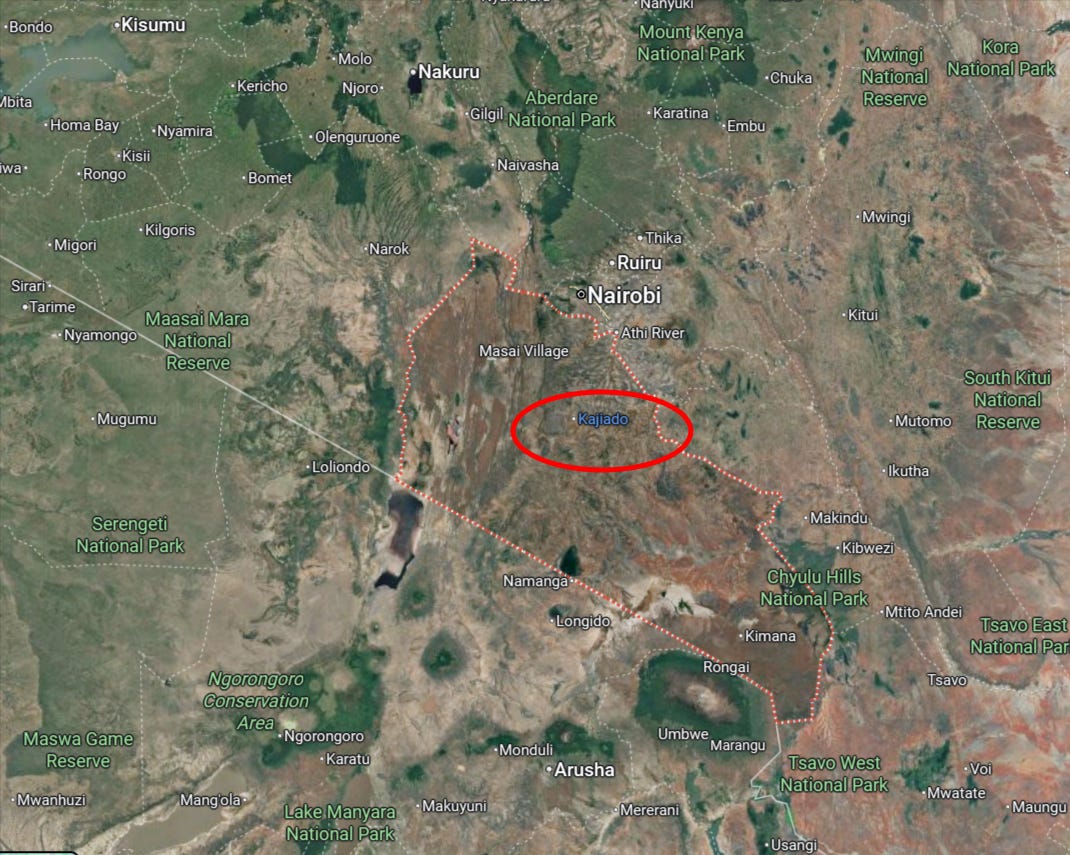
The operation itself was the product of what Counter Terrorism Policing Kenya described as “months of surveillance and covert intelligence gathering” targeting a terror network operating within the Dadaab refugee complex in Garissa County, northeastern Kenya. The suspects were intercepted late on the night of 17 February 2026 at a hideout in Kajiado County, where they were finalising plans for a coordinated strike on Nairobi. They were preparing to move to the capital when NIS officers, supported by the multi-agency Special Operations Group, moved in.
The weapons seized included five AK-47 assault rifles and 20 magazines carrying 600 rounds of ammunition — sufficient for a sustained assault on a soft civilian target — plus pistols, grenades, explosives, and drugs. Investigators said the group was simultaneously exploring the kidnapping of foreign nationals and the hijacking of vehicles, consistent with Al-Shabaab’s documented doctrine of complex, multi-vector urban operations.
The timing was deliberate. Al-Shabaab has historically treated Ramadan as a symbolic operational window — a period when attacks carry amplified psychological resonance. Kenya’s security services have flagged this pattern repeatedly across previous years.
The Tanzanian element, however, demands more than a passing mention.