


Assessment by: Evarist Chahali
Cut-off time: 0035GMT November 6, 2024
Abstract
The convergence of widespread post-election protests following Mozambique's October 2024 elections and an active Islamist insurgency in Cabo Delgado creates an unprecedented security challenge. This assessment analyzes how the Islamic State Mozambique Province (ISMP, also known as Ansar al-Sunna) could exploit the current political instability.
Current Situation
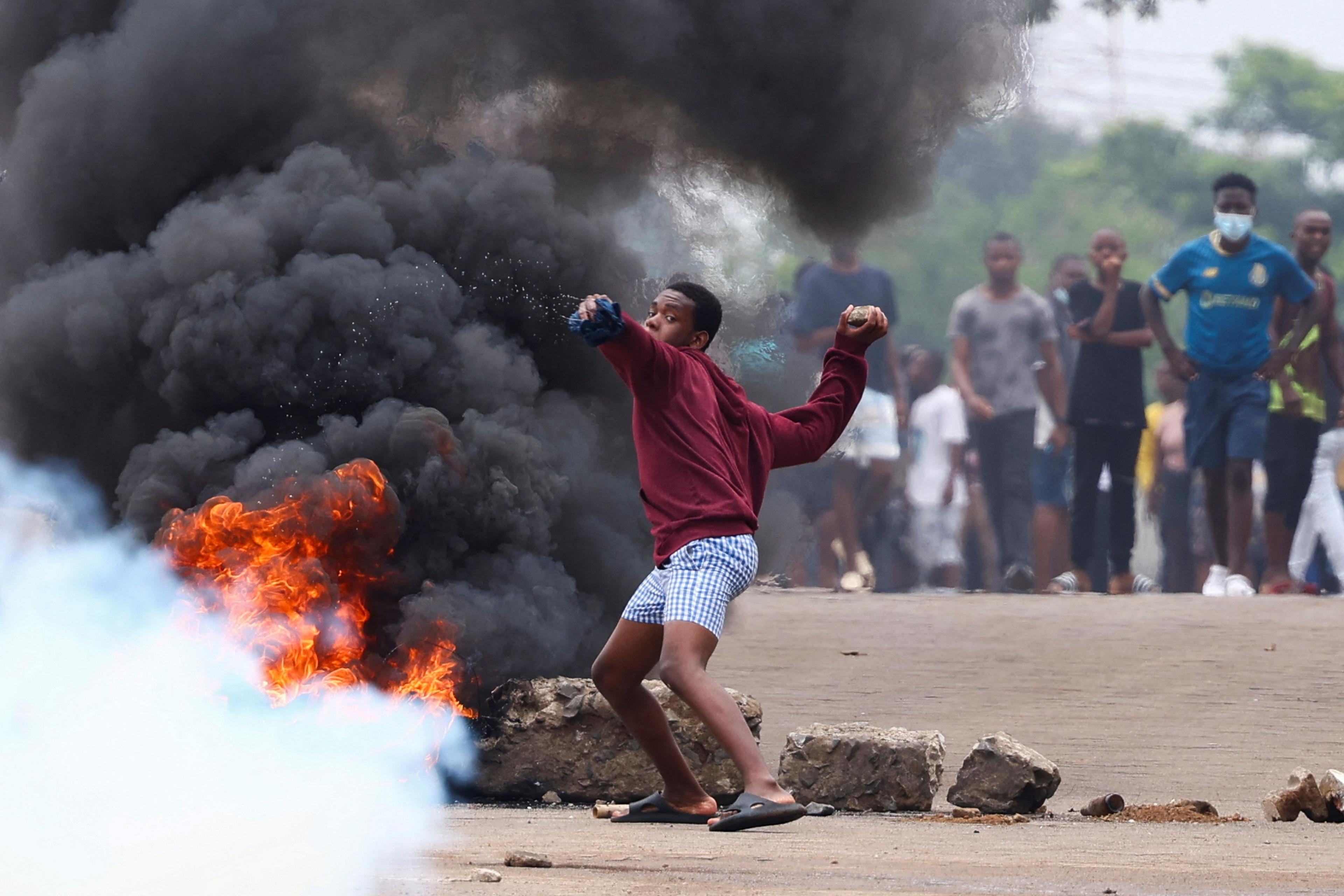
The October 2024 elections have triggered nationwide protests following the controversial victory of Frelimo's candidate Daniel Chapo. Opposition leader Venâncio Mondlane's calls for nationwide protests have resulted in significant civil unrest, particularly in urban centers. Simultaneously, ISMP has demonstrated increased capabilities and territorial expansion in Cabo Delgado province, where they have maintained an active insurgency since 2017.
Critical Vulnerabilities and Exploitation Opportunities
1. Security Force Redeployment
Military and police resources diverted to urban protest management
Created security vacuums in Cabo Delgado and border regions
Reduced counter-insurgency operational capacity
Heightened vulnerability of rural communities
2. Political and Social Exploitation
Growing disillusionment with the Frelimo government
Youth unemployment and economic marginalization
North-South divide exacerbating regional tensions
Muslim community grievances in Cabo Delgado
Social media restrictions creating information vacuums
3. Economic Vulnerabilities
Disruption of natural gas development projects
Declining foreign investment confidence
Rising food insecurity in affected regions
Limited government resources for both security and development
Immediate Threats
1. Territorial Expansion
ISMP likely to seize opportunities to capture new territory
Potential establishment of "safe zones" for recruitment and training
Risk of shadow governance structures in poorly controlled areas
Strategic targeting of economic infrastructure
2. Enhanced Recruitment
Exploitation of post-election grievances
Targeting of disenfranchised youth
Use of financial incentives in economically depressed areas
Propaganda leveraging government crackdowns on protesters
3. Operational Capabilities
Potential acquisition of new weapons from diverted security forces
Increased freedom of movement in under-protected areas
Enhanced ability to plan and execute complex attacks
Strengthened cross-border networks with regional militants
Strategic Implications
1. National Security Impact
Potential convergence of protest and insurgent violence
Erosion of state authority in multiple regions
Strain on military and law enforcement capabilities
Risk of human rights abuses fueling further instability
2. Regional Security Threats
Cross-border movement of fighters and weapons
Expansion of ISMP influence in neighboring countries
Pressure on SADC military mission effectiveness
Potential regional refugee crisis
3. Economic Consequences
Disruption of LNG projects and foreign investment
Increased poverty and unemployment
Reduced government revenue for security operations
Potential long-term development setbacks
Likely Scenarios
1. Escalation Scenario (40% probability)
Intensification of both protests and insurgent activities
Security forces overwhelmed by dual threats
Significant territorial gains by ISMP
Humanitarian crisis and mass displacement
2. Fragmentation Scenario (35% probability)
Continued low-level instability
Partial ISMP control in remote areas
Weakened but surviving central government
Chronic security challenges
3. Containment Scenario (25% probability)
Political settlement of election dispute
Refocused counter-insurgency efforts
International support maintaining stability
Limited ISMP operational capacity
Critical Recommendations
1. Immediate Actions
Maintain counter-insurgency operations despite political crisis
Enhance intelligence gathering in vulnerable areas
Strengthen border security measures
Protect critical infrastructure and economic assets
2. Strategic Initiatives
Pursue mediated political dialogue to resolve election crisis
Request extension of SADC military mission
Develop a comprehensive counter-radicalization strategy
Implement targeted economic development programs
3. International Cooperation
Enhance regional intelligence sharing
Coordinate cross-border security operations
Secure additional counter-terrorism support
Maintain humanitarian assistance channels
Assessment Confidence
High confidence in the overall analysis of vulnerabilities and immediate threats. Medium confidence in scenario probabilities due to the fluid political situation and limited intelligence on ISMP's current capabilities and intentions.
Final Analysis
The convergence of political instability and Islamic insurgency presents an unprecedented challenge to Mozambique's security and stability. ISMP is well-positioned to exploit current vulnerabilities, potentially transforming a localized insurgency into a broader regional security crisis. Immediate action to address both political and security challenges is essential to prevent the long-term destabilization of Mozambique and the broader region.
International support and regional cooperation will be crucial in preventing Mozambique from becoming a new epicenter of extremism in southern Africa. The next 3-6 months represent a critical period for implementing effective countermeasures and preventing the scenarios outlined above from materializing.