


Published on Ujasusi Blog | Spy Agencies Series | UK Intelligence Community | British Foreign Intelligence | MI6 Analysis | HUMINT Operations | Global Espionage | Secret Intelligence Service (SIS)
Introduction: Inside Britain’s Most Secretive Spy Agency – The SIS (MI6)
The United Kingdom’s Secret Intelligence Service (SIS), better known globally as MI6, stands as one of the most powerful and influential foreign intelligence agencies in the world. Tasked with safeguarding British national security interests abroad, SIS operates under the guiding motto Semper Occultus—"Always Secret." MI6 is central to the UK Intelligence Community (UKIC), excelling in Human Intelligence (HUMINT) collection and clandestine operations worldwide.
This in-depth SEO-optimised article explores the history, mission, organisational structure, covert operations, and future trajectory of MI6. With a focus on keywords such as "MI6 operations," "UK spy agency profile," "British foreign intelligence," "espionage tactics," and "global HUMINT networks," this feature is designed for researchers, intelligence professionals, and general readers intrigued by the world of espionage.
1. MI6 vs SIS: What’s in a Name?
The agency is officially titled the Secret Intelligence Service (SIS), but the name MI6 remains more commonly recognised due to its historical roots in military intelligence nomenclature. The term "MI6" originates from the agency's designation as Military Intelligence Section 6 during World War II, and it has since become synonymous with British foreign espionage.
Searches for "MI6 vs SIS," "SIS name origin," and "UK foreign intelligence service" frequently lead to confusion, but both names refer to the same agency. SIS works alongside MI5 (domestic intelligence) and GCHQ (signals intelligence), forming the triad of the UKIC.
2. MI6 Logo, Motto, and Visual Identity
The SIS emblem features the Royal Arms of the United Kingdom, flanked by the lion and unicorn symbolising England and Scotland. Paired with the acronym MI6, the logo reflects British sovereignty and intelligence excellence. The agency’s Latin motto, Semper Occultus, highlights the secretive, covert nature of intelligence work. These symbols are frequently searched by those interested in "MI6 logo meaning," "SIS motto," and "British spy agency symbolism."
3. The Origins and Evolution of MI6
3.1 Establishment of the Secret Service Bureau
Founded in 1909 amid growing concerns over Imperial Germany, the Secret Service Bureau was the precursor to today’s SIS. The bureau’s Foreign Section focused on naval intelligence and surveillance of German capabilities, laying the groundwork for modern HUMINT practices.
Captain Mansfield Smith-Cumming, the first chief of the Foreign Section, pioneered the practice of signing documents with the initial "C" in green ink—a tradition still upheld by successive SIS chiefs.
3.2 SIS During World War I and Interwar Years
Early SIS activities during WWI were centred on neutral nations like the Netherlands. Noteworthy operations included the recruitment of German naval officer Karl Krüger and the establishment of the Belgian spy network La Dame Blanche, which contributed critical troop movement intelligence.
Post-war, SIS was formalised and restructured. Under Admiral Hugh Sinclair, the agency established:
Section D (sabotage and guerrilla warfare)
Section V (counterintelligence)
Section N (political surveillance)
Section VII (economic intelligence)
Section VIII (agent communications)
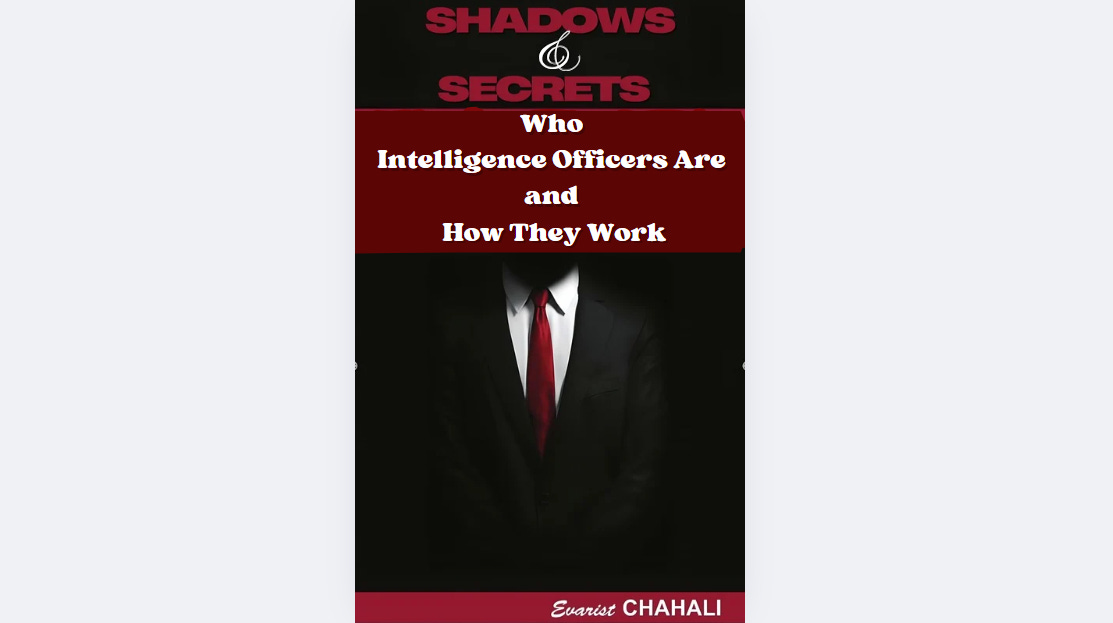
Available as eboo HERE
4. MI6 in World War II: From Espionage to Operations
During WWII, MI6 scaled operations across Europe and beyond. Highlights include:
The Sussex Scheme in France (D-Day intelligence)
Collaboration with Polish intelligence against Nazi Germany
Service Clarence (Belgian coastal reconnaissance)
Makir Station in Norway (U-boat tracking)
4.1 Section D and Clandestine Warfare
Section D led sabotage operations in collaboration with the Special Operations Executive (SOE), changing MI6’s strategic capabilities. These activities are central to the study of "covert British military intelligence" and "MI6 sabotage missions."
5. The Cold War: MI6’s Global Expansion
5.1 UKUSA Agreement and Five Eyes
Signed in 1946, the UKUSA Agreement established the foundation of the Five Eyes intelligence alliance (UK, USA, Canada, Australia, New Zealand). This remains a high-ranking keyword set: "Five Eyes intelligence network," "UKUSA Agreement," and "MI6-CIA cooperation."
5.2 Major Cold War Operations
Iranian Coup (1953): Joint SIS-CIA operation to overthrow Mossadegh
Afghan support: Training Mujahideen fighters post-1979 Soviet invasion
Recruitment of Soviet double agents: Oleg Penkovsky and Oleg Gordievsky
6. SIS Today: Structure, Budget, and Mandate
6.1 MI6 Headquarters and Infrastructure
Located at Vauxhall Cross, London, the SIS HQ—often dubbed "Legoland"—is the operational hub of the UK’s foreign intelligence efforts. The agency employs over 3,600 personnel and functions under the oversight of the Foreign Office and the UK Parliament’s Intelligence and Security Committee.
6.2 MI6 Budget and Oversight
Funded through the Single Intelligence Account, MI6’s operational budget remains undisclosed but part of the £3.7 billion allocated to UKIC in 2022. The Intelligence and Security Committee ensures compliance with legal and ethical standards.
7. Human Intelligence (HUMINT) in a Digital Age
Despite technological advancements, SIS emphasises the irreplaceable value of HUMINT. Chief Richard Moore, in his 2021 and 2023 speeches, identified the "Big Four" geopolitical priorities: China, Russia, Iran, and global terrorism.
8. Recruitment, Vetting, and Training
8.1 Career Paths at MI6
Roles range from Intelligence Officers and Linguists to Technical Experts and Support Services. Applications are open to British nationals, with vetting led by UK Security Vetting (UKSV). Keywords: "MI6 jobs," "UK spy vetting process," "SIS recruitment."
8.2 Fort Monckton: Intelligence Officer Training
MI6’s training facility, believed to be Fort Monckton in Hampshire, hosts the Intelligence Officer’s New Entry Course (IONECO), which covers:
Surveillance tradecraft
Agent recruitment and management
Use of cover identities
9. E Squadron: The Increment – Britain’s Covert Warriors
E Squadron, known as The Increment, is MI6’s paramilitary wing. Staffed by UK Special Forces veterans (SAS, SBS, SRR), the unit handles high-risk deniable operations.
10. MI6 Operations in the 21st Century
10.1 Russia and Ukraine (2022–Present)
Pre-invasion intelligence gathering
Support to Ukrainian forces
10.2 Counterterrorism and Economic Security
Foiling of terrorist plots in the UK
Prevention of a £50M HMRC fraud attempt
10.3 The Falklands Black Market Operation
Exocet missile market denial tactics against Argentina in 1982
10.4 Afghanistan: Long-Term Intelligence Network
Support to JSOC and UKSF
Controversies over detainee interrogations
10.5 Libya 2011: Covert Involvement and Controversy
Support to rebel forces
Detainment of SIS officers by Gaddafi forces
11. The Future of MI6: Adapting to New Threats
SIS is actively modernising to face cyber warfare, AI-driven espionage, and geopolitical challenges. Emphasis remains on HUMINT collection, particularly in areas where technology cannot penetrate.
Conclusion: MI6’s Enduring Legacy
The Secret Intelligence Service remains a formidable force in international intelligence. With a century of clandestine operations, from World Wars to cyber frontiers, MI6 continues to evolve. Its mastery of HUMINT and its unyielding discretion ensure that it remains essential to British national security.
Whether referred to as SIS or MI6, the agency remains a subject of global fascination, often operating beyond the public eye but always at the forefront of history.