

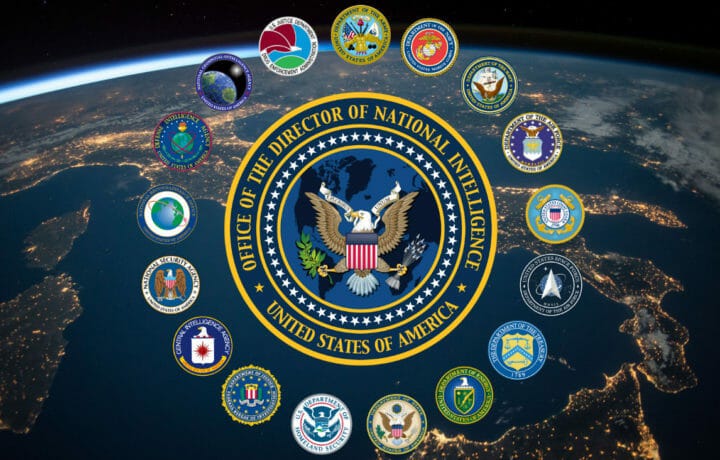

US lawmakers want the intelligence community to define what it does. They still don’t have an answer.
US intelligence agencies blew through a Sept. 30 deadline to define 23 terms such as “open source intelligence” and “signals intelligence” that would help explain how they conduct espionage. That’s prompting fresh concern from Congress and civil-society groups.
“How the government defines ‘open-source intelligence’ gets at the heart of the problem,” Senator Ron Wyden, an Oregon Democrat, said in a statement to Bloomberg News. He said he’s been asking the Office of Director of National Intelligence to be transparent with the American public “for years.”
“This isn’t just about legalistic definitions,” Wyden said. “It’s about letting Americans know whether highly personal information about them that the government has purchased” is handled the same way as public information published by the media, he said.
Back in 2022, Congress passed a law that demanded US intelligence chiefs define the terms that shape how the US conducts spying and the role of each agency. Figuring that out determines who can use what tools to engage in spying – and how money and power shake out across the country’s 18 spy agencies.
A spokesperson for Senator Mark Warner of Virginia, chairman of the Senate Select Committee on Intelligence, told Bloomberg News that the panel has yet to receive those definitions.
A spokesperson for the Office of the Director of National Intelligence declined to comment. The Defense Department didn’t reply to requests for comment.
A particular issue, those concerned said, is how US intelligence agencies are using “open-source” data, including information sold by data brokers.
Patrick Toomey, deputy director of the American Civil Liberties Union’s National Security Project, said the definitions “have major implications for Americans’ privacy and civil liberties.” He said they can determine the kinds of sensitive information that agencies like the Department of Homeland Security are authorized to collect about Americans.
“Both Congress and the public should know how the intelligence agencies are drawing these critical lines,” he said. He called Sept. 30 “an important deadline.”
The definition of “open-source intelligence” is particularly pressing, said Sean Vitka, senior policy counsel for the advocacy group Demand Progress, given that it can include commercial information. He argued that the government has yet to provide sufficient disclosures about its purchases of information from data brokers, who can sell geolocation and other data gleaned from internet browsing and mobile phone use.
“This is a practice that should have been debated publicly before it was in operation and missing a deadline is simply inadequate,” Vitka said.