The murder of former Rwandan soldier and government critic Robert Kabera in Uganda is the most significant intelligence-related development covered in this edition. His decapitated body was discovered on 17 October, two weeks after a Rwandan social-media personality reportedly published an appeal to Uganda’s military chief, General Muhoozi Kainerugaba, naming Kabera among dissidents operating from Uganda. The reported appeal adds a potentially important dimension to a case already marked by earlier threats, pressure from Rwandan authorities and Kabera’s encounters with Ugandan security personnel. It does not establish who killed him.
The case also exposes the limitations of interpreting political violence against Rwandan exiles exclusively as an extension of Kigali’s intelligence operations. Uganda’s own security establishment has been implicated in serious abuses against political critics, while Muhoozi has a documented history of threatening public statements. Possible participation by Ugandan actors, whether independently or alongside foreign operatives, therefore warrants consideration alongside a Rwanda-directed operation. The evidence supports concern about political targeting but remains insufficient for attribution.
Elsewhere, Nigeria appointed former intelligence chief Yusuf Magaji Bichi to chair the National Institute for Security Studies Governing Board. In the Democratic Republic of the Congo, former president Joseph Kabila’s leadership of a new rebel-aligned political formation coincided with growing constitutional tensions ahead of 2028. Burundi’s espionage arrests, Tanzania’s latest opposition treason prosecution and a major INTERPOL cybercrime operation highlighted developments in counterintelligence, domestic security and international law-enforcement cooperation.
The wider security picture included allegations of abuses by Malian and Russian forces, renewed confrontation between Somali federal and regional forces, deadly violence in Nigeria and displacement along the Ethiopia–Kenya border. Beyond Africa, reports of a proposed Pentagon deep-cover intelligence capability suggested potential changes in the organisation of American clandestine collection.
AD
Intelligence and Security Developments
1. Nigeria: Former DSS Chief Returns to an Influential Security Institution
President Bola Tinubu appointed Yusuf Magaji Bichi, the former director-general of Nigeria’s Department of State Services (DSS), chairman of the Governing Board of the National Institute for Security Studies (NISS) on 22 October. The appointment was reportedly recommended by the serving DSS director-general, Oluwatosin Adeola Ajayi, and gives Bichi a four-year role in an institution responsible for advanced security education and professional development.
Bichi’s return matters because NISS helps shape the professional outlook of Nigeria’s security leadership. Although its governing board does not command intelligence operations, it can influence institutional priorities, research and the training of senior officials. The appointment also suggests continuity between the present DSS leadership and its former director-general, despite the change in command in August 2024.
Assessment: Bichi’s appointment restores his institutional influence without returning him to operational command. Its longer-term significance will depend on changes in training priorities, senior appointments and interagency cooperation.
2. Uganda: Rwandan Dissident’s Murder Raises Questions About Security-Service Involvement
Robert Kabera, a former Rwanda Defence Force sergeant major and outspoken critic of President Paul Kagame, was found beheaded in Mpigi District on 17 October. He had repeatedly reported threats and attacks since fleeing Rwanda in 2020, including incidents involving Ugandan security personnel and unidentified assailants.
A potentially significant development preceded the murder. A report reproducing an alleged 3 October X post identified Rwandan social-media personality Clenia Dusenge, known as Madederi, as having appealed to Uganda’s military chief, General Muhoozi Kainerugaba, to act against Rwandan government critics living in Uganda. The accompanying list reportedly included Kabera’s YouTube channel, Major Robert TV. The original post and any connection to the killing have not been independently authenticated.
Assessment: The chronology strengthens concern about political targeting. However, responsibility remains unresolved, and possible Ugandan security involvement deserves consideration alongside a Rwanda-directed operation. The featured assessment examines the competing explanations.
3. DR Congo: Referendum Legislation Intensifies Constitutional Tensions
The Democratic Republic of the Congo’s National Assembly approved referendum legislation on 23 October, with 346 deputies voting in favour, none against and one abstention. Opposition representatives boycotted the proceedings amid concerns that the legislation could facilitate constitutional changes before President Félix Tshisekedi’s second term expires in 2028.
The legislation does not itself remove constitutional protections surrounding presidential term limits. Nevertheless, its political significance is considerable. A dispute over constitutional legitimacy could weaken Kinshasa’s ability to maintain a united response to the continuing rebellion in eastern Congo. It could also provide opportunities for armed and political opponents to present themselves as alternatives to the current government.
Assessment: The immediate risk is a widening political confrontation over constitutional intentions, rather than an already established extension of Tshisekedi’s presidency.
4. DR Congo: Kabila’s Rebel Alliance Seeks Political Expansion
Former president Joseph Kabila’s emergence as leader of the Front pour la Refondation de la Nation (FRN), announced on 12 October, has added a prominent political figure to the constellation of forces opposing President Tshisekedi. The development is particularly significant because of the FRN’s association with the AFC–M23 rebellion, which continues to challenge government authority in eastern Congo.
Kabila possesses political networks and experience that could help broaden the movement’s appeal beyond its existing leadership. However, established AFC–M23 figures, including Corneille Nangaa, Bertrand Bisimwa and military commander Sultani Makenga, remain influential. The political reorganisation has not yet demonstrated a corresponding increase in military capability.
Assessment: Kabila’s involvement could broaden the rebellion’s political ambitions, but its operational consequences remain uncertain. New financing, recruitment or alliances beyond the movement’s existing support base would indicate a more substantial change.
5. Burundi: Espionage Accusations Raise Questions About Internal Security
Burundian authorities presented 13 people accused of espionage, reportedly including Banyamulenge refugees and Christian pastors. Officials alleged connections to Rwanda and armed groups in eastern Congo. The accusations have not been independently substantiated.
Burundi’s involvement in the eastern Congo conflict gives its intelligence services reasons to investigate possible hostile networks. However, the reported targeting of refugees and individuals with religious affiliations raises concerns that the campaign could extend beyond conventional counterintelligence into communal suspicion and domestic political control.
Assessment: The arrests reflect heightened security concerns involving Rwanda and eastern Congo. Their wider significance depends on whether the allegations are supported by credible evidence or become part of a broader campaign against vulnerable communities and perceived opponents.
6. Tanzania: Second Senior CHADEMA Figure Faces Treason Charges
John Justine Pambalu, CHADEMA’s director for organisation, training and elections, was charged with treason in Dar es Salaam on 21 October. Prosecutors allege that he participated in plans to disrupt the October 2025 general election. The allegations remain unproven.
His prosecution follows the continuing treason proceedings against CHADEMA chairman Tundu Lissu, whose judgement is scheduled for 6 November. Both cases unfold amid unresolved disputes surrounding the violence that followed the October 2025 election, including sharply contested casualty figures and questions about the conduct of security forces.
Assessment: The cases demonstrate sustained legal pressure on Tanzania’s principal opposition party. Their political consequences may extend beyond the courts, particularly if the proceedings intensify domestic grievances or international scrutiny. Publicly available evidence does not establish direct TISS involvement in the charging decisions.
7. INTERPOL: Serengeti III Produces Major Cybercrime Arrests
Operation Serengeti III resulted in 1,462 arrests and the recovery of more than US$105 million, according to results announced on 22 October. Conducted between 29 June and 31 August, the operation involved law enforcement agencies across 20 African countries and the United States. Authorities identified 10,909 malicious networks, with reported victim losses exceeding US$385 million.
The operation targeted ransomware, online investment fraud, business email compromise and other cyber-enabled crimes. Its scale demonstrates the growing importance of multinational intelligence sharing, particularly the exchange of financial records, digital evidence and technical indicators connecting criminal operations across borders.
Assessment: Serengeti III represents a significant operational achievement, although arrests and disrupted networks do not necessarily translate into lasting dismantlement. Its longer-term value will depend on prosecutions and sustained investigative cooperation.
8. Mali: Alleged Abuses Undermine Counterinsurgency Credibility
Malian security forces and Russia’s Africa Corps were implicated in civilian killings, torture and other abuses in findings published on 22 October. The allegations include a September drone strike near Guélédié that reportedly killed eight civilians at a location associated with internet access and allegedly frequented by militants.
The incidents raise concerns about the reliability of targeting intelligence and the consequences of coercive interrogation. Civilian casualties and abusive detention practices can undermine cooperation with local communities, depriving counterinsurgency forces of information while potentially strengthening militant recruitment narratives.
Assessment: If substantiated, the abuses would represent more than a human rights problem. They could directly weaken Mali’s counterinsurgency campaign by damaging the intelligence relationships on which operations depend.
9. Somalia: Federal–Regional Fighting Creates Opportunities for al-Shabaab
Fighting between Somali federal forces and troops aligned with former South West State president Abdiaziz Hassan Mohamed Laftagareen intensified following the capture of Buur Hakaba on 15 October. More than 200 government-aligned soldiers were reportedly taken prisoner, while the confrontation disrupted military movements and important supply routes.
The dispute threatens to divert forces and political attention from the campaign against al-Shabaab. The militant organisation has repeatedly exploited divisions within Somalia’s political and security establishment, although there is no established evidence that the latest confrontation has already produced major territorial gains for the group.
Assessment: Prolonged federal–regional confrontation risks weakening counterterrorism coordination and creating opportunities for al-Shabaab to exploit fragmented security priorities.
10. Nigeria: Taraba Attack Highlights Continuing Rural Insecurity
Gunmen attacked Binnari village in Taraba State on 23 October, killing civilians and looting property. Police initially reported ten deaths, while subsequent reporting placed the toll at at least 40, citing Amnesty International. The discrepancy remains unresolved.
The perpetrators have not been conclusively identified. The attack occurred in a region affected by overlapping criminal, communal and armed-group violence, making immediate attribution to a particular organisation unreliable.
Assessment: The attack highlights persistent weaknesses in rural security, particularly the ability of authorities to anticipate violence and respond before armed groups inflict substantial casualties.
11. Ethiopia–Kenya: Communal Violence Causes Cross-Border Displacement
Fighting involving Oromo and Somali communities in southern Ethiopia has driven thousands of people across the border into Kenya. Reports indicated at least nine deaths, while subsequent estimates placed the number of displaced people entering Kenya above 14,000.
The violence illustrates how local communal disputes can rapidly acquire regional consequences. Continued instability around Moyale could disrupt commercial routes, strain Kenyan border communities and complicate security cooperation between Addis Ababa and Nairobi.
Assessment: Although the immediate consequences are humanitarian, prolonged violence could create wider border-security and economic pressures.
12. United States: Pentagon Reportedly Considers Expanded Clandestine Espionage
The Pentagon was reportedly considering a clandestine human-intelligence capability using operatives under civilian cover, partly in response to strategic competition with China. The Pentagon denied that such a programme was already operating.
The proposal would be significant because deep-cover human intelligence has traditionally been associated with civilian intelligence agencies, particularly the CIA. An expanded military role could introduce new operational capabilities but also questions about coordination, oversight and the separation of military and civilian intelligence responsibilities.
Assessment: The reporting indicates possible institutional ambition rather than an established operational change. Formal authorisation, funding and organisational decisions would determine its significance.
Featured Intelligence Assessment
Robert Kabera’s Murder: Rwanda, Uganda and the Politics of Targeted Violence
Key Judgements
Political targeting is a credible explanation for Kabera’s murder. Confidence: Moderate. His public criticism of the Rwandan government, documented threats and previous attacks provide grounds for examining a political motive, although the identity of his killers remains unknown.
The possibility of Ugandan security involvement cannot be excluded. Confidence: Low regarding involvement in this case. Uganda’s documented record of abuses against government critics, Kabera’s earlier detention by Ugandan security personnel and public pressure for action against Rwandan dissidents make this an important analytical consideration. None establishes that Ugandan officials participated in his murder.
Rwandan state involvement remains plausible but unproven. Confidence: Low regarding attribution. The wider history of repression against Rwandan dissidents abroad and earlier demands for Ugandan action against critics provide relevant context. They do not demonstrate that Kigali directed this killing.
Possible cooperation between Ugandan and Rwandan actors is a distinct hypothesis. Confidence: Low. Kabera alleged that Rwandan officials were present during his detention by Ugandan security personnel in 2022. The allegation has not been independently corroborated, and no evidence presently links that episode to his murder.
A Killing Preceded by Public Warnings
On 17 October 2026, the body of former Rwandan soldier and dissident Robert Kabera was discovered in a eucalyptus plantation in Luwala village, Mpigi District, Uganda. His head had been severed and, according to police statements issued two days later, had not been recovered. Investigators believed he may have been killed late on 16 October or early the following morning.
Kabera, approximately 50, was a former Rwanda Defence Force sergeant major and military musician who fled Rwanda in November 2020. From Uganda, he became an outspoken critic of President Paul Kagame’s government through his YouTube channel, Major Robert TV. He had repeatedly reported threats against his life, and his concerns were sufficiently serious to attract the attention of Ugandan police, international human rights organisations and refugee protection agencies.
The most striking development preceding his murder was a reported public appeal directed at Uganda’s military chief, General Muhoozi Kainerugaba.
A report published on 18 October reproduced screenshots of an alleged X post dated 3 October, attributed to Rwandan actress and social-media personality Clenia Dusenge, known as Madederi. The message reportedly called on Muhoozi to act against Rwandan government critics operating from Uganda and named several individuals and YouTube channels, including “Sgt Major Kabera Robert — MAJOR ROBERT TV”.
If the reproduced post is authentic, Kabera was publicly identified in an appeal to Uganda’s most senior military officer just 14 days before his body was discovered. That is a significant chronological connection. However, the post’s authenticity, Dusenge’s intentions and any relationship between the appeal and the killing have not been independently established. The material does not demonstrate that Muhoozi responded, that security personnel acted on the appeal or that Dusenge possessed advance knowledge of an attack.
Public identification of a future murder victim is relevant evidence of a potentially threatening environment, but it is not, by itself, evidence identifying the killers.
Rwandan Pressure on Uganda Was Already Documented
The October social-media controversy did not emerge in isolation. Rwandan authorities had previously included Kabera in demands that Uganda deport government opponents to Rwanda. A September 2021 Ugandan police communication acknowledged that accusations originating from Rwanda had complicated efforts to protect him.
In May 2022, Ugandan police and military personnel arrested Kabera in Kampala over alleged weapons-smuggling offences. Kabera subsequently alleged that officers beat him and fractured his ankle. He also claimed that Rwandan officials were present during his detention, including individuals associated with Rwanda’s diplomatic mission in Uganda. The alleged presence of those officials has not been independently corroborated, and the available evidence does not establish that his arrest formed part of a joint operation.
Kabera reported further threats after his release. In July 2022, he said men speaking Kinyarwanda assaulted him and threatened to return him to Rwanda. In October 2023, he reported another attack in which unidentified men allegedly warned that they would kill him even if he relocated to the United States.
These incidents establish a prolonged pattern of reported intimidation, although the perpetrators and connections between the episodes remain uncertain. They also demonstrate that Kabera’s fears were known well before the events of October 2026.
Uganda’s Own Security Record Complicates the Case
It would be analytically inadequate to treat Uganda solely as a country that failed to prevent a possible foreign intelligence operation. Uganda’s military and security agencies have themselves been accused of abducting, unlawfully detaining and torturing political opponents. Documented abuses against government critics include cases involving personnel associated with the military establishment.
Muhoozi’s public conduct is relevant to this environment. He has repeatedly used social media to issue threats against political opponents, while also presenting himself as a supporter of Rwanda and President Kagame. His public positions do not establish involvement in Kabera’s murder, but they make the reported October appeal to him more significant than an ordinary exchange between social-media users.
The appeal was allegedly directed to an individual who commands Uganda’s armed forces and has publicly expressed strong political views about Rwanda. If the message was authentic, its authors were not simply criticising Kabera; they were requesting action from a figure with substantial coercive authority.
That does not mean Muhoozi ordered or approved Kabera’s killing. It means the possible role of Ugandan actors cannot be excluded from the assessment merely because the victim was an opponent of the Rwandan government.
Uganda’s treatment of Kabera also presents an institutional contradiction. He had previously been detained and allegedly assaulted by Ugandan security personnel, yet a May 2023 letter from Uganda’s inspector general of police confirmed that he had received asylum and additional protection. The same letter indicated that arrangements for resettlement to a third country were approaching completion. More than three years later, Kabera remained in Uganda and was killed.
This history leaves open several possibilities: that Ugandan authorities were unable to protect him, that individuals within the security establishment acted against him, or that external actors exploited his vulnerability. None has been established as the explanation for his death.
The Circumstances of the Final Encounter
The circumstances immediately preceding Kabera’s death add another potentially important element.
A relative reported that Kabera travelled to his construction site on 16 October with a Kinyarwanda-speaking man who presented himself as a political opponent seeking assistance. Kabera reportedly contacted a family member at approximately 11 p.m. that night. The relative said the accompanying man had supplied a false telephone number and that Kabera could not be contacted the following day.
The account has not been publicly corroborated by Ugandan police, and the man’s identity and role remain unknown. Nevertheless, if accurate, it suggests that Kabera may have been approached through his political activities rather than encountered randomly.
A forensic expert who examined photographs and videos of Kabera’s remains considered that the mutilation probably occurred after death and observed indications that his hands may have been restrained. Those observations support concern about a deliberate killing, although they do not establish who was responsible or why the body was mutilated.
The violence of the killing has generated speculation about a political message intended to intimidate other dissidents. That interpretation is plausible, but the available evidence cannot establish whether intimidation was the perpetrators’ objective.
Competing Explanations
A Rwanda-directed operation
Kabera’s criticism of the Rwandan government, the history of reported threats against him and Rwanda’s documented repression of critics abroad provide grounds for considering a state-directed operation. Earlier Rwandan pressure on Uganda concerning Kabera strengthens the relevance of this explanation. However, no publicly established evidence connects his killers to Rwandan intelligence or security institutions.
An operation involving Ugandan security actors
Uganda’s record of abuses against political critics, Kabera’s earlier detention and the reported appeal addressed to Muhoozi provide grounds for considering whether Ugandan security personnel or politically connected individuals participated in the killing. This could involve direct action or assistance to others. No evidence currently establishes such participation, and there is no demonstrated connection between Muhoozi and the perpetrators.
Cooperation between actors in both countries
A third possibility is cooperation between individuals associated with Rwandan and Ugandan security networks. Kabera’s allegation that Rwandan officials were present during his 2022 detention makes this a relevant hypothesis, but that allegation remains uncorroborated. There is no established evidence of a joint operation in October 2026.
Independent political violence
Individuals hostile to Kabera’s political activities may have targeted him without formal direction from either government. Public hostility, personal networks and political loyalties can motivate violence independently of official orders. This explanation is compatible with political targeting but remains unsupported by an identified perpetrator or organisation.
A non-political killing
A personal dispute or other criminal motive cannot be excluded. However, the documented threats, previous attacks and reported identification of Kabera shortly before his death provide stronger affirmative reasons to consider a political motive than the available reporting provides for an unrelated dispute.
Overall judgement: Political targeting is a credible explanation for Kabera’s murder, but the evidence does not support confident attribution to a particular state, institution or individual. The reported 3 October target list increases the significance of possible Ugandan involvement without establishing it.
Uganda’s Protection and Counterintelligence Challenges
Kabera’s murder exposes a contradiction within Uganda’s security environment. The country hosts Rwandan refugees and dissidents who fear persecution in their homeland, yet its own security agencies have been implicated in the repression of political opponents. Kabera’s case brings those two realities together. He had been recognised as a refugee requiring protection, but he had also been arrested by Ugandan security personnel and reported mistreatment while in custody.
If the murder is linked to foreign operatives, Uganda would face serious questions about its ability to detect and prevent hostile intelligence activity on its territory. Evidence of Rwandan state involvement could complicate relations between Kampala and Kigali, particularly given their history of mutual security suspicions. Such a development would also raise concerns among other Rwandan dissidents about whether Uganda can provide effective protection against threats originating beyond its borders.
Evidence implicating Ugandan security personnel would have different and potentially more damaging domestic implications. It would suggest that elements of the institutions responsible for protecting refugees may themselves have participated in violence against one. If cooperation between Ugandan and Rwandan actors were established, the case could expose security relationships operating beyond publicly acknowledged arrangements.
Even without evidence of official participation, Kabera’s death raises questions about the protection offered to a refugee whose vulnerability had been recognised for years. His continued presence in Uganda despite earlier indications of imminent resettlement, combined with repeated threats and attacks, suggests that the protective arrangements surrounding him deserve scrutiny. The case may also deepen fear among Rwandan dissidents who already regard political activity in exile as carrying personal risks.
Outlook
Kabera’s murder could become a sensitive issue in Uganda–Rwanda relations if credible evidence emerges connecting the perpetrators to officials or security networks in either country. A finding of foreign involvement would intensify scrutiny of hostile intelligence activity on Ugandan territory, while evidence implicating Ugandan personnel would shift attention towards the conduct and accountability of the country’s own security establishment.
The reported social-media hostility towards Rwandan dissidents introduces another concern. If individuals interpreted public calls for action as encouragement to threaten or attack political opponents, the consequences could extend beyond Kabera’s murder. Other Rwandan critics living in Uganda may face increased intimidation or feel compelled to restrict their public activities, even if the investigation ultimately establishes no official involvement.
An inconclusive investigation could leave these competing explanations unresolved, reinforcing distrust among refugees and encouraging further speculation about the role of state institutions. Conversely, credible identification and prosecution of those responsible could help establish whether the murder was connected to political activity, foreign intelligence interests or another motive.
Final assessment: Kabera’s murder cannot responsibly be attributed to Rwanda simply because he opposed Kagame. Nor should Uganda be treated merely as the scene of a foreign operation. The combination of earlier Rwandan pressure, Kabera’s encounters with Ugandan security personnel, the reported appeal to Muhoozi and the timing of the killing makes this a case involving potentially overlapping political and security interests. The available evidence supports serious concern about targeted political violence, but not a definitive judgement about the perpetrators.
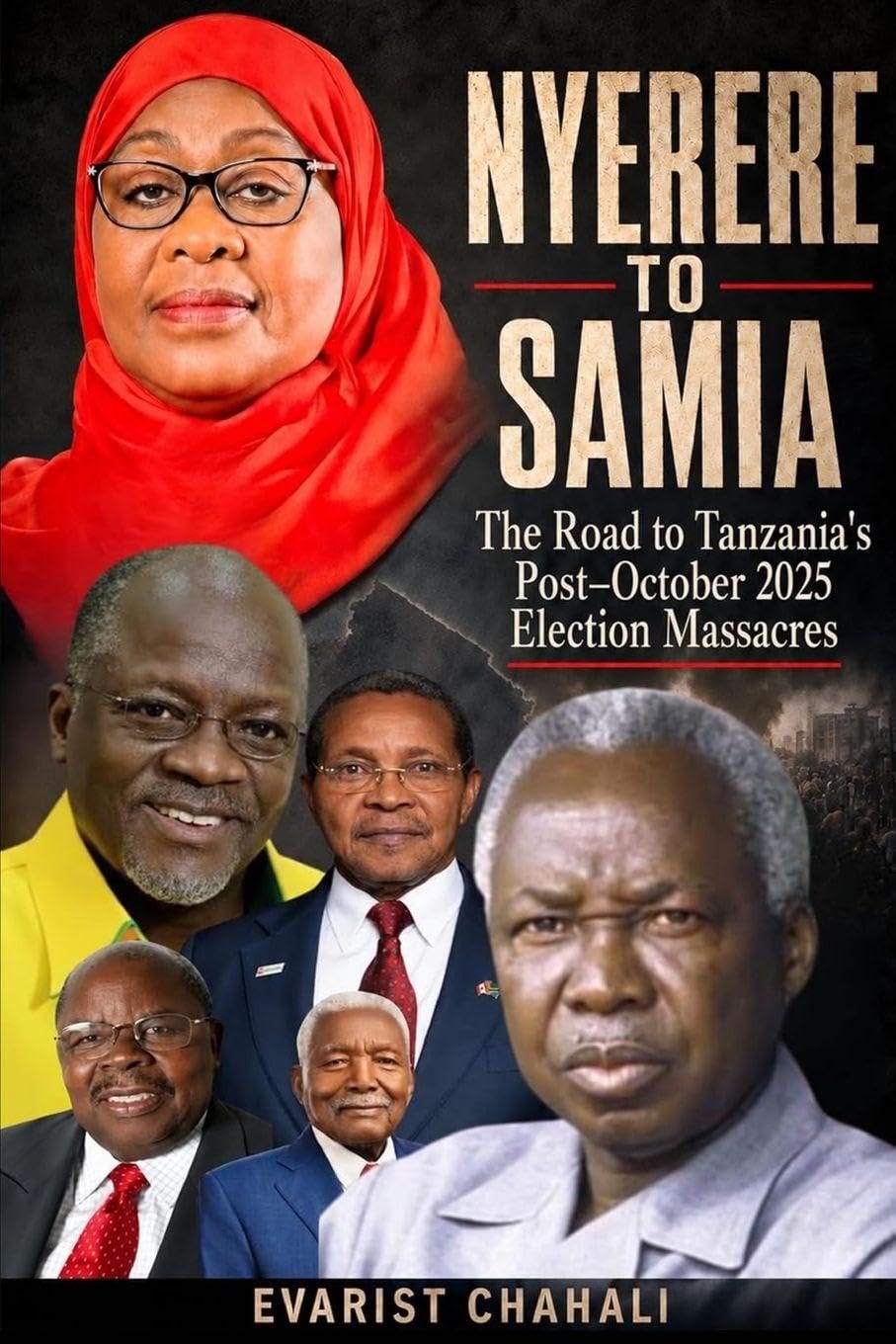
Developments to Watch