


Background
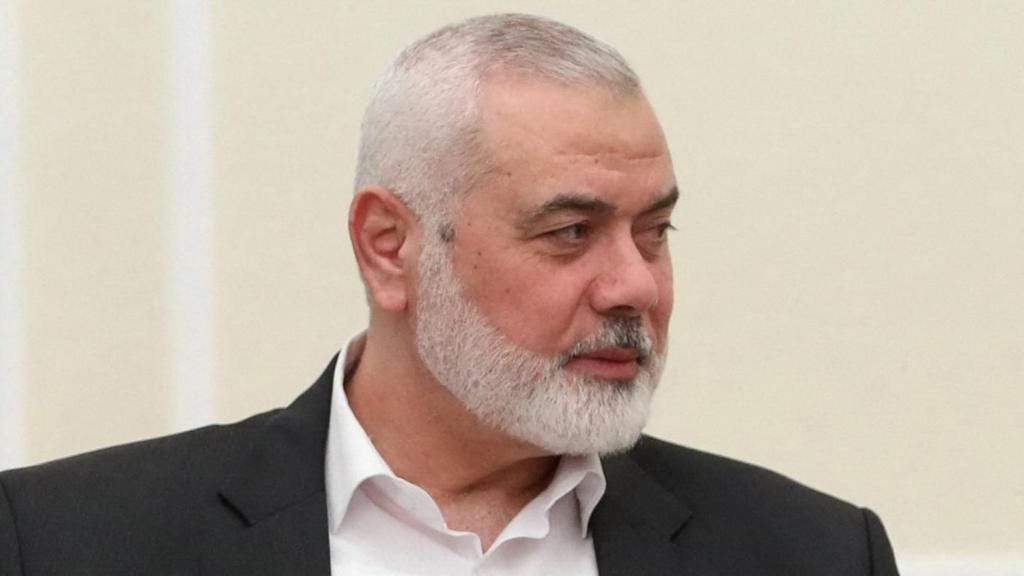
On July 31, 2024, Ismail Haniyeh, the political leader of Hamas, was reportedly assassinated in Tehran, Iran. This high-profile killing has sent shockwaves through the Middle East and the international community, raising concerns about potential escalations in regional conflicts and the broader implications for geopolitical stability.
Haniyeh, a prominent figure in Palestinian politics and a key leader of Hamas, had been a central figure in the organization since the late 1980s. His assassination marks a significant development in the ongoing tensions between Israel and various militant groups in the region.
Circumstances of the Assassination
According to Iranian state media and the Islamic Revolutionary Guard Corps (IRGC), Haniyeh was killed in Tehran along with a bodyguard when the building they were in was attacked. The exact method of the attack has not been disclosed, but it appears to have been a targeted operation.
Haniyeh was reportedly in Tehran to attend the inauguration of Iran's new president, Masoudzeshkian, which took place on Tuesday, July 30, 2024. This timing suggests that the assassins had specific intelligence about Haniyeh's whereabouts and schedule.
Prime Suspects
While no group or nation has officially claimed responsibility for the assassination, several entities are under scrutiny as potential perpetrators:
1. Israel
Israel is widely considered the prime suspect in this assassination. Several factors support this theory:
- Historical precedent:
Israel has a history of targeted killings of Hamas leaders and other individuals it considers threats to national security.
- Capability:
Israeli intelligence services have demonstrated the ability to conduct complex operations in foreign territories.
- Motive:
Israel views Hamas as a significant threat and has consistently sought to weaken its leadership.
- Recent escalations:
The assassination follows a period of increased tensions between Israel and Hamas, including recent Israeli airstrikes that killed three of Haniyeh's sons and four of his grandchildren in April 2024.
2. Internal Palestinian rivals
While less likely, it's possible that internal Palestinian factions opposed to Hamas could be responsible. However, the sophistication of the operation and its location in Tehran make this scenario less probable.
3. Other regional actors
Given the complex geopolitical landscape of the Middle East, other nations with interests in destabilizing Hamas or straining Iran-Palestine relations cannot be entirely ruled out. However, the evidence currently available does not strongly support this theory.
Motives Behind the Assassination
The motives behind Haniyeh's assassination are likely multifaceted:
1. Weakening Hamas leadership
Eliminating a key political figure like Haniyeh could significantly disrupt Hamas's organizational structure and decision-making processes. This might be seen as an opportunity to weaken the group's overall effectiveness and influence.
2. Disrupting Iran-Hamas relations
The assassination of a Hamas leader on Iranian soil could strain the relationship between Iran and Hamas, potentially weakening the support network for Palestinian militant groups.
3. Derailing peace negotiations
If peace talks or ceasefire negotiations were in progress, the assassination could be an attempt to derail these efforts and maintain a state of conflict.
4. Retaliation for recent attacks
The killing could be a response to recent actions by Hamas or its allies against Israeli interests or civilians.
5. Preemptive strike
Intelligence agencies may have had information suggesting that Haniyeh was planning or coordinating future attacks against Israel or its allies.
Possible Repercussions
The assassination of Ismail Haniyeh is likely to have far-reaching consequences across the Middle East and beyond:
1. Escalation of conflict
The most immediate and concerning repercussion is the potential for a significant escalation in the conflict between Israel and Hamas, as well as other allied militant groups. Hamas has already declared that Haniyeh's death "will not pass in vain" and described the killing as a "grave escalation". This rhetoric suggests that retaliatory actions are likely imminent.
2. Increased regional tensions
The assassination could lead to heightened tensions not only between Israel and Palestinian factions but also involving other regional players:
- Iran:
As the assassination took place on Iranian soil, it may be seen as a direct challenge to Iran's sovereignty and security. This could lead to increased Iranian support for Hamas and other anti-Israel groups.
- Hezbollah:
The Lebanon-based militant group, already engaged in escalating confrontations with Israel, may intensify its actions in solidarity with Hamas.
- Other Arab states:
Countries that have been working towards normalization of relations with Israel may face domestic pressure to reconsider their positions.
3. Impact on Hamas leadership and strategy
The loss of Haniyeh could lead to internal power struggles within Hamas as various factions vie for control. This period of potential instability might result in:
- A more hardline leadership taking control, potentially leading to more aggressive tactics against Israel.
- Fragmentation of the organization, possibly weakening its overall effectiveness.
- A shift in strategy, either towards more diplomatic engagement or increased militancy, depending on who assumes leadership.
4. Effect on peace processes
Any ongoing or potential peace negotiations are likely to be severely impacted:
- The assassination may be seen as a breach of trust, making it difficult for Palestinian factions to engage in talks with Israel or its allies.
- Moderate voices within Palestinian leadership may find it harder to advocate for diplomatic solutions.
- International mediators may face increased challenges in bringing parties to the negotiating table.
5. International diplomatic fallout
The international community's response to this event could shape future diplomatic relations:
- Countries may face pressure to take sides, potentially straining relationships with either Israel or Palestinian factions.
- The United States, as a key ally of Israel, may face criticism for not preventing or condemning the assassination, potentially complicating its role as a mediator in the region.
- The United Nations and other international bodies may call for investigations and potentially propose sanctions or other measures in response.
6. Impact on Iranian domestic and foreign policy
The assassination of a high-profile figure on Iranian soil could have significant implications for Iran:
- Domestically, it may lead to criticism of the government's ability to protect its guests and allies.
- In terms of foreign policy, Iran may feel compelled to take a more aggressive stance against Israel and its supporters.
- The incident could be used to justify increased support for militant groups opposed to Israel.
7. Potential for wider regional conflict
There is a risk that the assassination and its aftermath could contribute to a broader regional conflict:
- If Hamas and its allies retaliate against Israeli targets, it could lead to a cycle of escalation involving multiple countries and non-state actors.
- The involvement of Iran, Hezbollah, and potentially other regional players could turn localized conflicts into a wider Middle Eastern war.
8. Economic implications
The assassination and its potential consequences could have economic repercussions:
- Increased instability in the region could affect oil prices and global energy markets.
- Countries heavily invested in the region may face economic uncertainties.
- The potential for conflict could deter foreign investment in affected areas.
9. Humanitarian concerns
An escalation of conflict following the assassination could lead to significant humanitarian challenges:
- Increased violence could result in civilian casualties and displacement.
- Access to humanitarian aid in conflict zones may become more difficult.
- The potential for a refugee crisis if large-scale conflict erupts.
10. Cybersecurity and information warfare
In the aftermath of the assassination, there is a heightened risk of:
- Cyberattacks targeting infrastructure, government systems, or financial institutions in Israel, Iran, or other involved countries.
- Disinformation campaigns aimed at shaping public opinion and inflaming tensions.
Conclusion
The assassination of Ismail Haniyeh represents a significant escalation in the ongoing conflicts in the Middle East. While Israel emerges as the prime suspect due to motive, capability, and historical precedent, the full details of the operation remain unclear.
The repercussions of this event are likely to be far-reaching, potentially destabilizing an already volatile region. The immediate concern is the risk of violent retaliation from Hamas and its allies, which could spiral into a broader conflict involving multiple state and non-state actors.
The international community faces a critical challenge in preventing further escalation and working towards de-escalation. However, the assassination has likely made any near-term peace negotiations or ceasefire agreements significantly more difficult to achieve.
As the situation develops, close monitoring of the responses from key players such as Hamas, Iran, Israel, and other regional and global powers will be crucial. The coming weeks and months will be critical in determining whether this event leads to a new cycle of violence or if diplomatic efforts can prevail in containing the fallout.
The assassination of Ismail Haniyeh may prove to be a pivotal moment in the history of the Israeli-Palestinian conflict and broader Middle Eastern geopolitics, with consequences that could reshape regional dynamics for years to come.
SOURCE: Osint