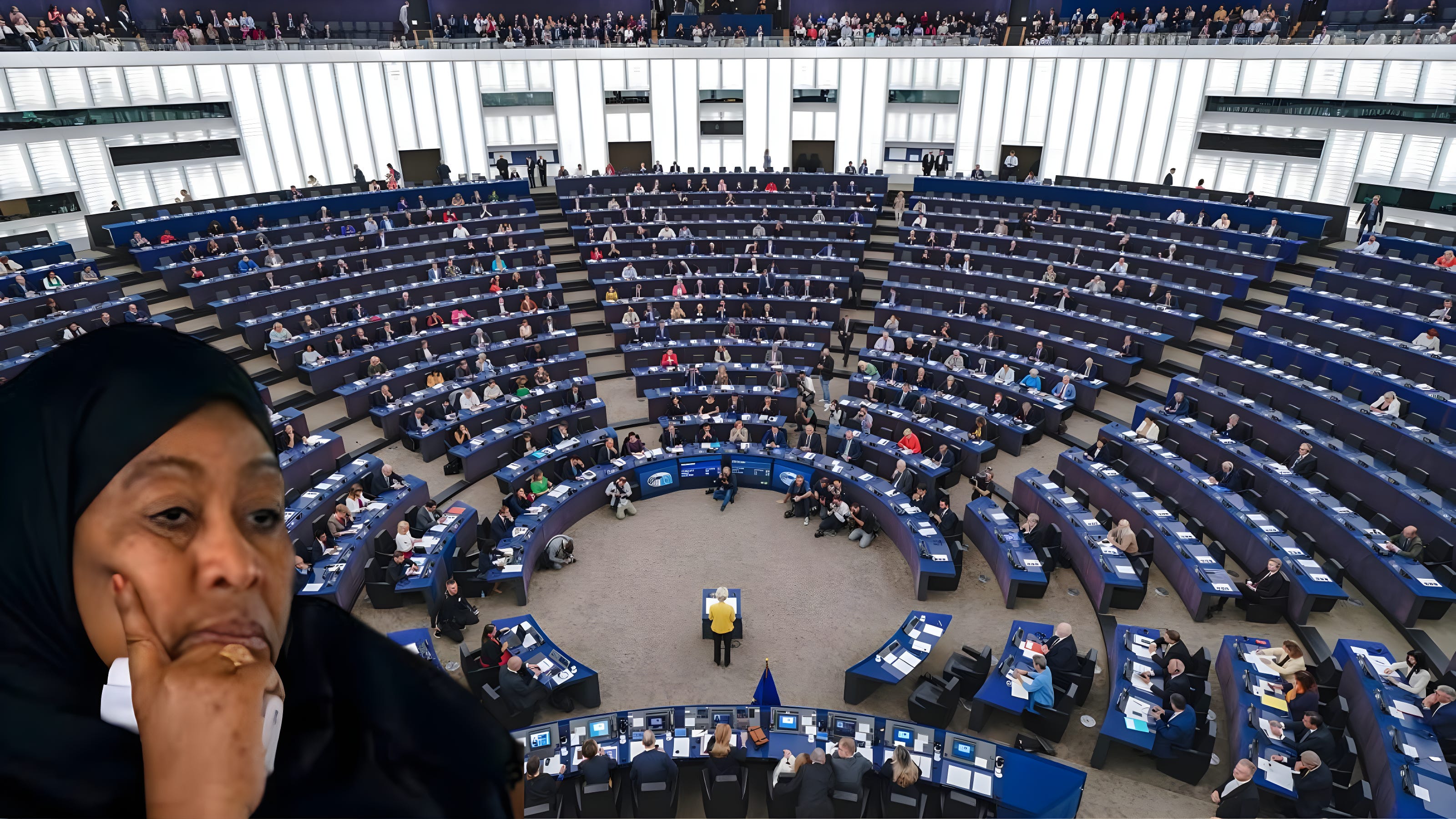
[FREE ACCESS] Intelligence Explainer: EU Aid vs Repression in Tanzania—Can Brussels Move the Government?”
Ujasusi Blog Originals | Intelligence Explainers
🔓FREE ACCESS
Please consider becoming a paid subscriber
You can also donate.
Executive summary
The European Parliament condemned Tanzania’s post-election crackdown and urged EU institutions to halt direct support while objecting to the €156m Annual Action Programme (AAP) 2025 for Tanzania as set out in this EP press note. While non-binding, these moves raise the political cost for the Commission and Council to proceed—an internal debate captured by recent EU reporting. President Samia Suluhu Hassan’s Inquiry Commission (announced 14 Nov) signals responsiveness, but accountability and concrete rights improvements will decide whether funds are redirected, delayed, or resume.
Bottom line: The near-term budget shock is limited, but diplomatic and reputational costs are high, with spillovers likely to other EU and member-state instruments, as reflected in government-leaning budget analysis.
Detailed analysis
1) What did the EP do—and what has bite?
On 27 Nov 2025, MEPs adopted a resolution on Tanzania urging a halt to direct budgetary support, a shift to civil society, and objection to the €156m AAP 2025. The agenda trail in EP Today and an earlier draft motion preview the arguments. While Parliament cannot unilaterally cancel the AAP, its objection can delay or reshape disbursement modalities, a split captured in EU-focused coverage.
2) What’s in the €156m AAP—and why Brussels cares
A succinct AAP 2025 summary emphasises critical minerals and agricultural value chains, human capital, and governance, dovetailing with the Global Gateway—which is why the political environment surrounding the vote matters for EU risk calculus.
3) Dodoma’s fiscal room vs. soft-power costs
Government messaging argues the freeze’s budget impact is modest—about 0.7% of the 2025/26 budget, with only ~10.9% of the package flowing directly to government, per this breakdown. Even so, reputational damage can raise borrowing costs and complicate other EU/member-state programmes, trends reflected in regional coverage.
4) The trigger: election integrity and the crackdown
Observer missions from SADC (3 Nov) and AU (5 Nov) flagged serious concerns. International reporting documented treason charges and widespread violence. Against that backdrop, President Samia’s Inquiry Commission announcement is a key hinge—but its independence, powers, and timeline will determine whether Brussels shifts.
Outlook
Short term (0–12 months): Expect a pause/redirect of EU support to non-state channels while the Commission reviews the AAP; absent visible accountability (e.g., releases, charge withdrawals, credible prosecutions), sanctions talk could harden via Parliament’s position.
Medium term (1–5 years): Risk of structural downgrades in EU political dialogue and tighter human-rights conditionality across donors; if reforms advance, parts of the AAP may be re-scoped rather than scrapped, per EU debate signals.
Long term (>5 years): Credible electoral/constitutional reforms and prosecutions for abuses could normalise EU funding; otherwise, anticipate a durable civil-society-first aid architecture.
Timeline: Election Day to the Inquiry Commission
29 Oct 2025 — General election. Observer deployments note tensions and constraints as shown in the AU mission materials.
3 Nov — SADC preliminary statement raises concerns: SADC SEOM.
5 Nov — AU preliminary statement says the polls did not comply with AU standards: AU preliminary.
7 Nov — Treason charges reported against dozens: Al Jazeera.
14 Nov — Inquiry Commission announced by President Samia: AP; briefed here by PBS NewsHour.
26–27 Nov — EP debate & resolution urging halt to direct support and objection to €156m AAP 2025: EP press room; EP Today; draft motion.
28–29 Nov — Government response downplays fiscal hit and signals ongoing diplomacy: The Citizen; regional context in The EastAfrican.