

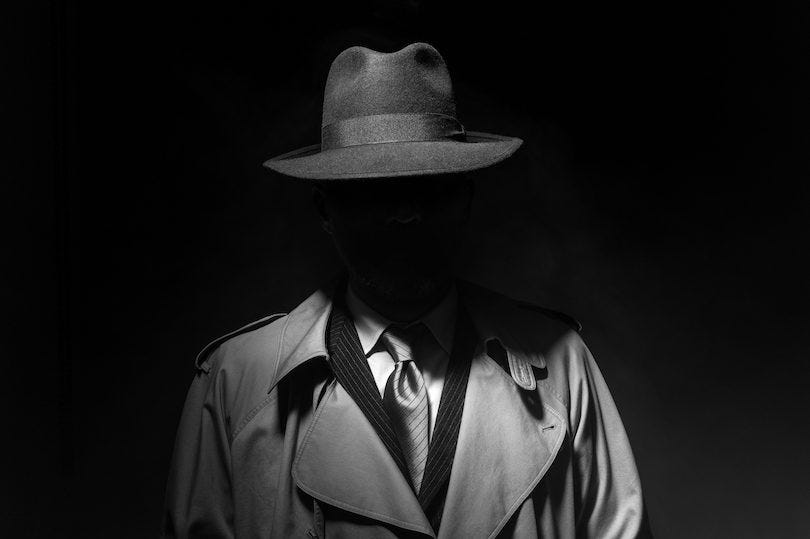

Espionage, the art of gathering secret information, has been an integral part of human history since ancient times. From ancient civilizations to modern intelligence agencies, the world of espionage has evolved and shaped the course of nations. In this article, we embark on a captivating journey through the annals of history to explore the intriguing origins and significant milestones of espionage.
Ancient Origins:
The roots of espionage can be traced back to ancient civilizations such as Egypt, Greece, and China. Ancient Egyptian pharaohs employed spies to gather intelligence on neighboring kingdoms, while in Greece, city-states relied on information gathering to gain an edge in political affairs and military strategies. The Chinese, with their renowned intelligence networks like the Ming Dynasty's Jinyiwei, laid the foundation for clandestine operations.
Medieval Espionage:
Espionage gained prominence during the Middle Ages as empires and kingdoms engaged in intricate power struggles. The rise of secret societies like the Knights Templar and Hashashin demonstrated the use of covert tactics and intelligence gathering. Notable figures like Francis Walsingham, spymaster to Queen Elizabeth I, showcased the role of intelligence in shaping the fate of nations.
Espionage in the Modern Era:
The birth of nation-states and the advent of the Industrial Revolution ushered in a new era of espionage. The 19th and 20th centuries witnessed the emergence of intelligence agencies like Britain's MI6, Germany's Abwehr, and the Soviet Union's KGB. World Wars I and II became battlegrounds not only for armies but also for intelligence operatives, who played vital roles in code-breaking, sabotage, and counterintelligence.
Cold War and Beyond:
The Cold War era between the United States and the Soviet Union propelled espionage to unprecedented levels. The spy vs. spy conflict unfolded, with high-profile cases like the Cambridge Five and the Cuban Missile Crisis capturing global attention. Technological advancements, such as satellite surveillance and cyber espionage, further transformed the landscape of intelligence gathering.
Modern Espionage:
In today's interconnected world, espionage has transcended traditional boundaries. Non-state actors, such as terrorist organizations, employ intelligence tactics to further their agendas. Governments utilize cyber espionage and electronic surveillance to gather information on a global scale. The evolution of intelligence agencies and the constant struggle between security and privacy continue to shape the modern espionage landscape.
Ethics and Controversies:
The world of espionage is not without its ethical dilemmas and controversies. Questions of legality, surveillance, and the balance between national security and individual privacy persist. Whistleblowers like Edward Snowden have brought these issues to the forefront, sparking debates on the boundaries of espionage in the digital age.
The history of espionage is a captivating tapestry woven with tales of secrecy, bravery, and deception. From the ancient world to the complexities of modern intelligence, espionage remains an essential component of global affairs. Understanding its past helps us comprehend its present and perhaps glimpse into the shadowy future of clandestine operations. As we navigate an increasingly interconnected world, the role of espionage continues to evolve, reminding us of its lasting impact on the course of history.