

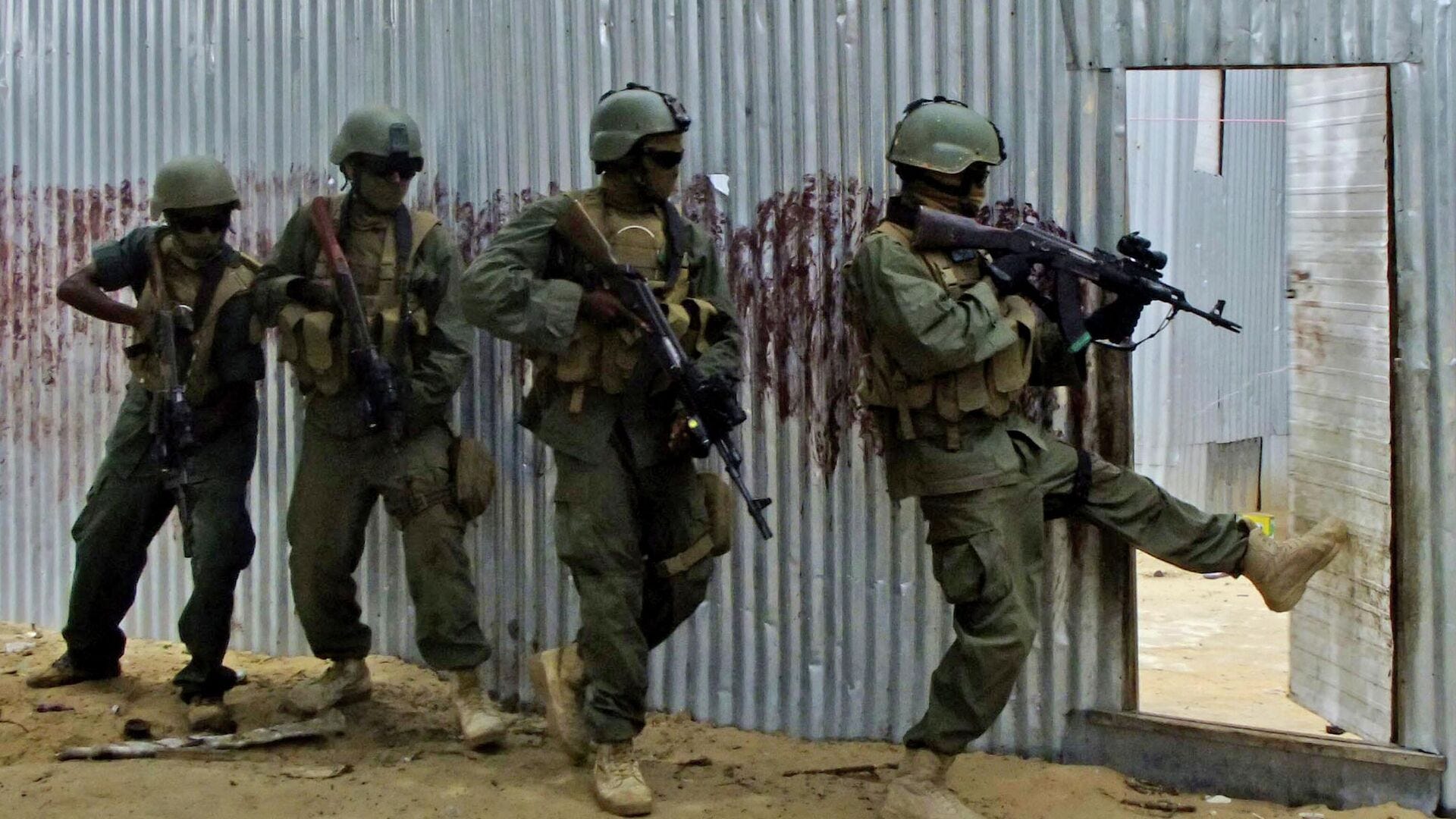

Africa, with its rich cultural diversity and vast natural resources, has been a focal point of international attention for both its potential and its challenges. One of the most pressing issues the continent faces is the threat of terrorism, which has not only caused significant loss of life and property but has also hindered economic development. While military and security measures have been the primary response to terrorism, there is growing recognition of the role that economic development can play as a counterterrorism strategy. This article explores how fostering economic growth and addressing socio-economic grievances can be an effective approach to combating terrorism in Africa.
The Nexus Between Poverty and Terrorism
The relationship between poverty and terrorism is complex and multi-faceted. Poverty alone does not cause terrorism; however, it can create an environment where extremist ideologies can take root. In many African countries, particularly in regions plagued by political instability, corruption, and poor governance, poverty and unemployment are pervasive. These conditions often leave young people with few opportunities for a better life, making them vulnerable to recruitment by terrorist organisations that promise a sense of purpose, belonging, or financial incentive.
For instance, in the Sahel region, groups like Boko Haram and Al-Qaeda in the Islamic Maghreb (AQIM) exploit local grievances, such as lack of access to resources, ethnic discrimination, and political marginalisation, to recruit members. These groups often provide basic services, education, and financial support, filling a vacuum left by the state. As such, economic development strategies that improve livelihoods and reduce poverty can undermine the appeal of terrorist groups by addressing the underlying socio-economic factors that facilitate radicalisation.
Economic Development Strategies
1. Job Creation and Youth Employment:
A critical aspect of economic development is creating jobs, particularly for the youth, who are the most vulnerable to radicalisation. Investment in industries that can generate employment, such as agriculture, manufacturing, and services, is essential. For example, agriculture, which employs a significant portion of Africa's workforce, can be revitalised through modernisation and better access to markets. Similarly, encouraging entrepreneurship and supporting small and medium-sized enterprises (SMEs) can stimulate job creation and economic growth.
2. Education and Skills Training:
Education is a powerful tool for economic development and social stability. Improving access to quality education and vocational training can equip individuals with the skills needed to participate in the economy. This not only enhances employability but also empowers individuals to contribute positively to their communities. In regions affected by terrorism, such as northern Nigeria and Somalia, education initiatives can play a crucial role in preventing radicalisation by offering alternatives to extremist narratives.
3. Infrastructure Development:
Investing in infrastructure, including transportation, energy, and telecommunications, is vital for economic development. Improved infrastructure facilitates trade, increases access to markets, and attracts investment. In addition, infrastructure projects can create jobs and stimulate local economies. For example, the construction of roads and bridges can improve connectivity in rural areas, reducing isolation and opening up new economic opportunities.
4. Inclusive Economic Policies:
To be effective, economic development must be inclusive, ensuring that all segments of society benefit. This includes addressing regional disparities, promoting gender equality, and providing opportunities for marginalised communities. Inclusive policies help to build social cohesion and reduce the appeal of extremist groups that exploit feelings of exclusion and injustice.
Case Studies: Economic Development in Practice
1. Kenya's Coastal Region:
Kenya's coastal region has been a hotspot for terrorist activities, particularly by Al-Shabaab. The Kenyan government, in collaboration with international partners, has implemented several economic development initiatives aimed at reducing the influence of extremist groups. These include promoting tourism, which is a major economic driver in the region, and supporting local businesses. Additionally, the government has invested in education and vocational training programs to provide young people with alternative livelihoods. While challenges remain, these efforts have contributed to a reduction in terrorist recruitment and activity.
2. The Sahel Region:
The Sahel region, spanning several countries including Mali, Niger, and Burkina Faso, faces significant security challenges due to the presence of various extremist groups. The G5 Sahel, a regional cooperation framework, has recognised the importance of economic development as part of its strategy to combat terrorism. Initiatives such as the Sahel Alliance focus on improving infrastructure, promoting agriculture, and enhancing educational opportunities. These efforts aim to address the root causes of instability and create conditions for sustainable development.
Challenges and Considerations
While economic development is a crucial component of counterterrorism strategy, it is not a panacea. Several challenges must be addressed to ensure the success of such initiatives:
1. Governance and Corruption:
Effective economic development requires good governance and the rule of law. Corruption and weak institutions can undermine development efforts, leading to unequal distribution of resources and perpetuating grievances. Strengthening governance and promoting transparency are essential for creating a conducive environment for economic growth.
2. Security and Stability:
In conflict-affected areas, ongoing violence and insecurity can hinder development efforts. Therefore, a comprehensive approach that includes both security measures and economic development is necessary. Ensuring the protection of civilians and creating safe spaces for economic activities are critical.
3. Coordination and Cooperation:
Economic development initiatives often involve multiple stakeholders, including governments, international organisations, and the private sector. Effective coordination and cooperation among these actors are essential to avoid duplication of efforts and ensure that resources are used efficiently.
4. Sustainability:
Development projects must be sustainable to have a lasting impact. This means considering environmental factors, promoting local ownership, and ensuring that initiatives are adaptable to changing circumstances. Long-term success depends on the ability to build resilience and self-reliance within communities.
Conclusion
Economic development can be a powerful tool in the fight against terrorism in Africa. By addressing the socio-economic conditions that contribute to radicalisation, economic growth can undermine the appeal of extremist groups and promote stability. However, for this strategy to be effective, it must be part of a comprehensive approach that includes good governance, security measures, and international cooperation. While challenges remain, the potential benefits of integrating economic development into counterterrorism efforts are significant, offering a pathway to a more secure and prosperous future for Africa.
SOURCE: Osint