

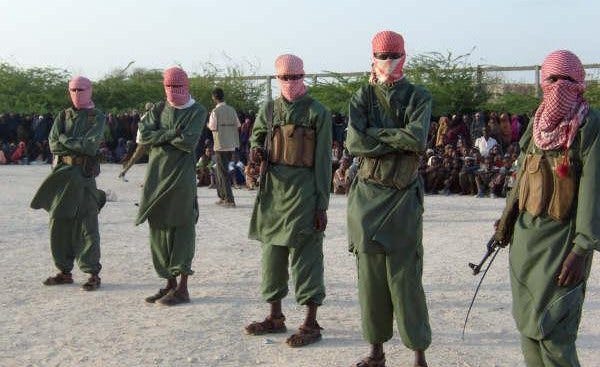

The Horn of Africa has long been a region of political instability and conflict. Somalia, in particular, has grappled with the violent insurgency of Al-Shabaab, a militant Islamist group designated as a terrorist organization by multiple countries. Central to Al-Shabaab's operations is its secretive intelligence and security wing, the Amniyat (Arabic for "security"). This essay delves into the Amniyat, exploring its history, structure, methods, and influence within the broader context of Al-Shabaab's activities.
Origins and Evolution: From Insurgents to Shadow Warriors
The Amniyat's exact origins remain somewhat murky. Some experts believe it emerged alongside Al-Shabaab's formalization in 2006, while others posit an earlier formation during the group's pre-2006 insurgency. Regardless of its precise beginnings, the Amniyat's purpose has always been clear: to safeguard Al-Shabaab's leadership, gather intelligence, and eliminate threats through brutal counterintelligence tactics.
The Amniyat's growth mirrored Al-Shabaab's rise to prominence. As Al-Shabaab captured territory in Somalia, the Amniyat's influence expanded. It established a strong presence in areas under Al-Shabaab control, becoming the group's primary enforcer of its harsh interpretation of Sharia law. The Amniyat's ruthlessness instilled fear in the populace, ensuring compliance and minimizing dissent.
The Amniyat's early successes were attributed to its clandestine nature. Unlike the more visible Al-Shabaab fighters, the Amniyat operated in the shadows, relying on a network of informants and meticulous planning. This secrecy allowed them to infiltrate rival groups, gather crucial intel on government forces, and plan high-profile attacks with devastating efficiency.
Structure and Operations: A Web of Secrecy
The Amniyat's structure remains shrouded in secrecy, but estimates suggest a force of 500-1000 operatives. These members are handpicked for their loyalty, intelligence, and ruthlessness. They undergo rigorous training that emphasizes religious indoctrination, combat skills, and techniques for intelligence gathering and interrogation.
The Amniyat's operations can be broadly categorized into three areas:
Counterintelligence:
This is a critical function. The Amniyat actively seeks to infiltrate government agencies, rival factions, and even within Al-Shabaab itself to identify potential threats and collaborators. Methods include infiltration, surveillance, and brutal interrogations.
Intelligence Gathering:
The Amniyat employs a complex network of informants across Somalia to gather intel on government troop movements, planned operations, and potential threats to Al-Shabaab leadership. They also exploit public grievances and manipulate clan dynamics to sow discord and recruit new fighters.
Clandestine Activities:
The Amniyat is responsible for planning and executing high-profile assassinations, suicide bombings, and kidnappings. These operations aim to undermine government authority, spread fear, and generate funds for Al-Shabaab's activities.
The Amniyat's ruthlessness is a hallmark of its operations. They are notorious for employing torture, summary executions, and public displays of brutality to intimidate the population and silence dissent. This reign of terror serves to maintain control in areas under Al-Shabaab's grip.
The Amniyat and the African Union Mission in Somalia (AMISOM)
The deployment of the African Union Mission in Somalia (AMISOM) in 2007 posed a significant challenge to Al-Shabaab's dominance. The Amniyat responded by intensifying its counterintelligence efforts. They targeted AMISOM troop movements, infiltrated their ranks to identify informants, and launched suicide attacks against their bases. These tactics aimed to disrupt AMISOM operations and demoralize its forces.
The Amniyat's focus on AMISOM highlights their crucial role in safeguarding Al-Shabaab's core objectives. By neutralizing threats and providing essential intelligence, the Amniyat enables Al-Shabaab to maintain its insurgency against the Somali government and AMISOM forces.
The Amniyat's Impact: Beyond Somalia's Borders
The Amniyat's influence extends beyond Somalia. They have been linked to training foreign fighters and collaborating with other terrorist organizations in the region. Their activities raise concerns about the potential for regional destabilization and the spread of violent extremism.
Furthermore, the Amniyat's brutality has created a climate of fear and hindered humanitarian efforts in Somalia. Their presence disrupts essential services and forces citizens to choose between aligning with Al-Shabaab or facing harsh consequences.
Countering the Shadow: Challenges and Potential Solutions
The Amniyat presents a formidable challenge for Somali authorities and the international community. Their clandestine nature, ruthless tactics, and deep infiltration within communities make them a difficult target.
Several key obstacles hinder efforts to dismantle the Amniyat:
Limited Intelligence:
Acquiring reliable intelligence on the Amniyat's structure, leadership, and operations is crucial. However, their secrecy and embeddedness within communities make this extremely difficult.
Public Fear and Distrust:
The brutality of the Amniyat has instilled fear in the Somali population, discouraging them from cooperating with authorities or sharing information. Building trust and fostering a sense of security is essential to encourage cooperation and disrupt the Amniyat's network.
Limited Resources:
The Somali government and AMISOM forces face resource constraints in terms of manpower, technology, and training. Countering a sophisticated intelligence unit requires significant investment in these areas.
External Influences:
The regional rivalry and political instability in the Horn of Africa can provide safe havens for Al-Shabaab and the Amniyat. International cooperation and regional efforts are crucial to prevent such support.
Potential Solutions: A Multifaceted Approach
Combating the Amniyat necessitates a multifaceted approach that addresses both security concerns and the underlying causes of radicalization. Here are some potential solutions:
Strengthening Somali Security Forces:
Investing in training, equipment, and intelligence gathering capabilities for Somali security forces is essential. This will enhance their capacity to collect information on the Amniyat and conduct targeted operations.
Promoting Community Engagement:
Building trust with local communities is crucial. Providing security, fostering dialogue, and addressing grievances can help counter Al-Shabaab's narrative and encourage cooperation in identifying Amniyat operatives.
Countering Extremist Ideology:
Combating radicalization requires tackling the ideological underpinnings of Al-Shabaab. Promoting education, religious literacy, and alternative narratives that emphasize peace and tolerance can offer a counterweight to extremist ideology.
Disrupting Financial Networks:
Targeting Al-Shabaab and the Amniyat's financial resources can significantly hamper their operations. This involves international cooperation to track and disrupt funding sources, including extortion, taxation in controlled areas, and potential external support.
International Cooperation:
Collective action from regional and international actors is crucial. Sharing intelligence, offering logistical support, and coordinating efforts can significantly hinder the Amniyat's operations and weaken Al-Shabaab's overall strength.
The Long Road Ahead: A Cautious Optimism
The fight against the Amniyat and Al-Shabaab is a long and complex one. There are no quick fixes, and setbacks can be expected. However, a multi-pronged approach that prioritizes intelligence gathering, community engagement, and countering extremist ideology offers the potential for weakening the Amniyat's grip and creating an environment conducive to lasting peace in Somalia.
The success of these strategies heavily relies on the Somali government's commitment to upholding the rule of law, addressing corruption, and ensuring justice. Furthermore, building trust with the international community through transparency and accountability will be vital in securing continued support for counter-terrorism efforts.
Despite the challenges, there are some positive developments. AMISOM's ongoing operations, combined with Somali government initiatives to regain territory from Al-Shabaab, have shown some success in weakening the group's control. Defections from Al-Shabaab offer insights into the Amniyat's operations, providing valuable intelligence for targeted counter-terrorism efforts.
While the Amniyat remains a significant threat, a combination of robust security measures, community-driven solutions, and sustained international support offers cautious optimism for the future of Somalia. Dismantling the Amniyat requires patience, strategic planning, and a commitment to long-term development alongside immediate security concerns. Only through a comprehensive approach can the shadow of the Amniyat be truly lifted from the Horn of Africa.