

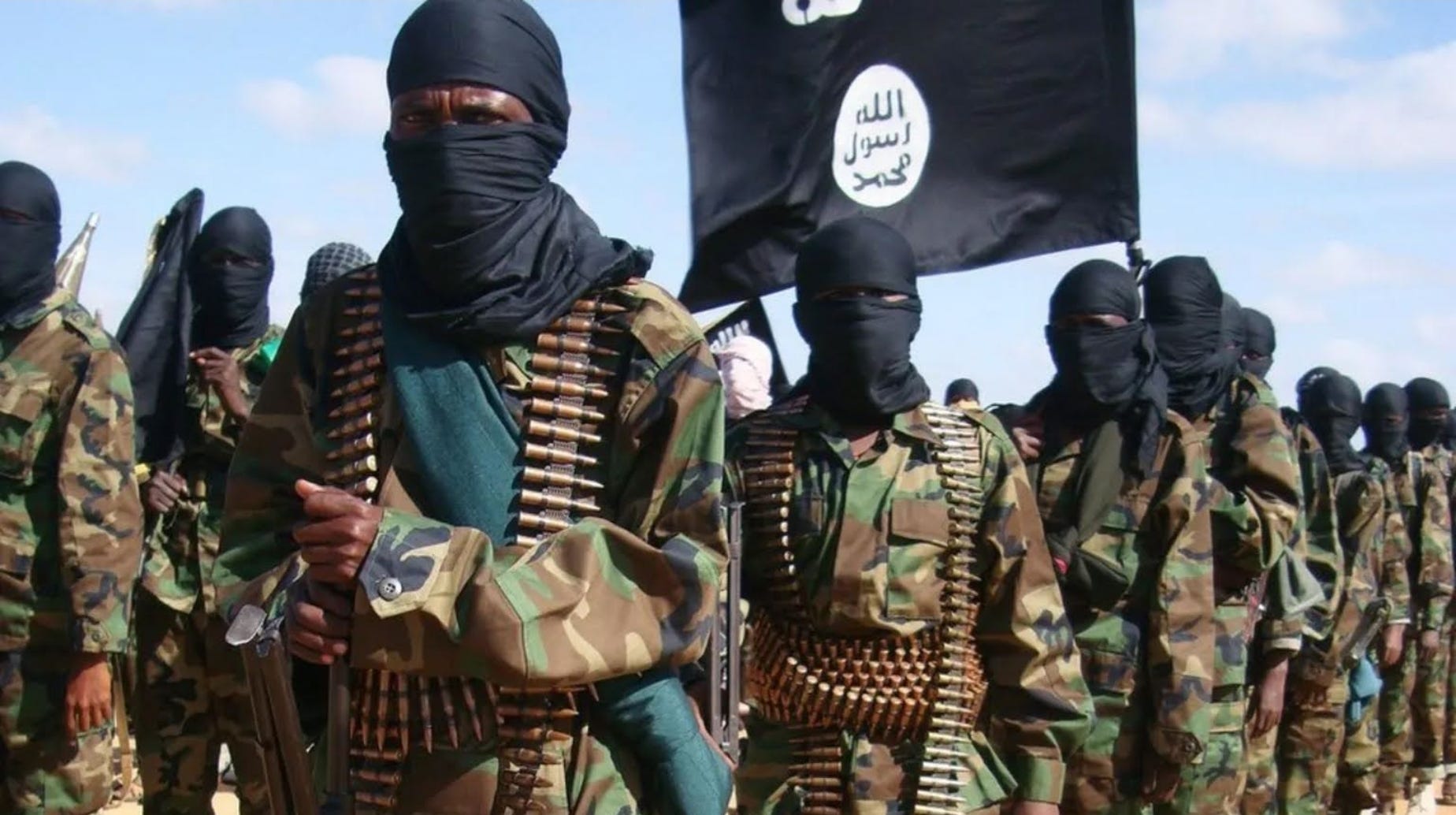

Al-Shabaab, the Somali militant group, has reached its 18th year of existence, showcasing a remarkable ability to endure and adapt despite extensive military campaigns aimed at its eradication. This endurance is not merely a testament to its military capabilities but also to a complex interplay of strategic, social, and economic factors that have allowed it to survive and even thrive in one of the most volatile regions in the world.
Historical Background
To understand al-Shabaab's resilience, it is crucial to delve into its origins and evolution. Al-Shabaab, meaning "The Youth" in Arabic, emerged as a radical offshoot of the Islamic Courts Union (ICU), which briefly controlled Somalia's capital, Mogadishu, in 2006. Following the ICU's defeat by Ethiopian forces, al-Shabaab capitalized on the ensuing chaos, positioning itself as a defender of Somali nationalism and Islamic governance.
Initially, al-Shabaab gained support by promising security and order in a country plagued by clan warfare and lawlessness. Its early victories were marked by a combination of guerrilla warfare and strategic alliances with local clans, enabling it to establish a foothold in southern and central Somalia.
Faulty Western Strategies
One of the primary reasons for al-Shabaab's resilience lies in the flawed strategies employed by Western nations and their African allies. The focus has often been on building democratic institutions and winning "hearts and minds," a strategy that, while noble in intention, frequently fails in the harsh realities of a war-torn environment.
Challenges of Nation-Building
Efforts to establish a stable government in Somalia have been hampered by corruption, infighting, and a lack of local legitimacy. Many Somalis view the central government as a foreign-imposed entity, disconnected from the realities of their daily lives. This perception is exacerbated by the presence of foreign troops, which al-Shabaab exploits to fuel nationalist sentiments and portray itself as a defender of Somali sovereignty.
Military Interventions
Military interventions, primarily led by the African Union Mission in Somalia (AMISOM), have achieved significant territorial gains but often fail to hold and secure these areas. Al-Shabaab has adeptly used hit-and-run tactics, retreating when faced with superior forces and returning once they withdraw. This cat-and-mouse game has allowed the group to maintain its presence and influence in key regions.
Illegal Taxation and Economic Control
Al-Shabaab's financial prowess is another critical factor in its resilience. The group has developed a sophisticated system of taxation and extortion that funds its operations and ensures its survival.
Revenue Streams
Al-Shabaab's revenue streams are diverse and deeply entrenched in Somalia's economy. The group levies taxes on businesses, agricultural production, and even humanitarian aid deliveries. These taxes are often collected through coercion, with businesses paying to avoid violence or disruption.
Smuggling and Money Laundering
In addition to taxation, al-Shabaab engages in smuggling and money laundering. The group's control over key ports and trade routes allows it to profit from the illegal trade of goods, including charcoal, which is banned under international sanctions. These activities provide a steady income stream, enabling the group to pay fighters, procure weapons, and sustain its operations.
Protection and Order
In a country where government presence is often minimal, al-Shabaab has positioned itself as a provider of order and predictability, albeit through a strict interpretation of Sharia law.
Judicial System
Al-Shabaab's judicial system is known for its swift and decisive rulings, which contrast sharply with the often slow and corrupt government courts. This efficiency has won the group a degree of legitimacy among local populations who seek justice and stability in their lives.
Social Services
Beyond its courts, al-Shabaab also provides basic social services in areas under its control. These services, including education and healthcare, are rudimentary but fill a critical gap left by the government. By addressing these basic needs, al-Shabaab strengthens its support base and embeds itself further into the social fabric of Somali society.
Clan Dynamics
Clan affiliations are central to Somali society, influencing everything from politics to daily interactions. Al-Shabaab has skillfully navigated these dynamics to bolster its influence and control.
Engagement with Clan Leaders
The group engages with traditional clan leaders, often integrating them into its governance structures. By doing so, al-Shabaab gains access to local knowledge and networks, which are invaluable for maintaining control over territories.
Exploiting Clan Rivalries
Al-Shabaab also exploits clan rivalries to its advantage. By aligning with marginalized or disaffected clans, the group can recruit fighters and garner support. This strategy not only strengthens al-Shabaab's military capabilities but also undermines government efforts to build a unified national army.
Military Weaknesses
Despite improvements, the Somali National Army (SNA) faces significant challenges that hinder its ability to effectively combat al-Shabaab.
Corruption and Clan-Based Recruitment
Corruption within the SNA is a pervasive issue, with reports of soldiers selling weapons and supplies for personal gain. Additionally, the army's recruitment often mirrors clan lines, leading to divisions and a lack of cohesion. These factors undermine the army's effectiveness and morale, making it difficult to sustain prolonged offensives against al-Shabaab.
Limited Mobility and Resources
The SNA's limited mobility and resources further constrain its operations. The army lacks the necessary equipment and logistical support to launch simultaneous offensives across multiple regions, allowing al-Shabaab to regroup and counterattack.
Safe Havens
Al-Shabaab's control over key regions in southern Somalia, such as Lower and Middle Juba, provides it with vital safe havens.
Strategic Importance
These areas are strategically important, offering access to supply routes and serving as bases for training and planning operations. The group's ability to maintain control over these regions is a testament to its resilience and adaptability.
Challenges in Dislodging Al-Shabaab
Efforts to dislodge al-Shabaab from these strongholds face numerous challenges. The group's deep-rooted presence, combined with the difficult terrain and lack of infrastructure, makes military operations costly and complex. Without addressing these safe havens, efforts to dismantle al-Shabaab will remain incomplete.
Future Implications
Al-Shabaab's continued resilience has significant implications for Somalia and the broader region. The group's ability to adapt and endure poses a persistent threat to peace and stability, not only in Somalia but also in neighboring countries.
Regional Security
Al-Shabaab has demonstrated its capacity to conduct attacks beyond Somalia's borders, targeting countries like Kenya and Uganda. These attacks highlight the group's regional ambitions and its ability to exploit porous borders and weak security apparatuses.
International Response
The international community faces a complex challenge in addressing al-Shabaab's resilience. A multifaceted approach that combines military, political, and economic strategies is essential. This includes strengthening Somali institutions, addressing the root causes of extremism, and enhancing regional cooperation.
Prospects for Peace
Despite the challenges, there are prospects for peace. Recent efforts to engage in dialogue with moderate elements within al-Shabaab and local communities offer a glimmer of hope. By addressing grievances and promoting inclusive governance, there is potential to weaken al-Shabaab's influence and pave the way for lasting peace.
In conclusion, al-Shabaab's resilience is a complex interplay of strategic missteps by opponents, financial acumen, and deep-rooted social dynamics. As long as these factors persist, the group is likely to remain a formidable force in Somalia. Addressing this challenge requires a comprehensive and sustained effort that goes beyond military solutions, focusing on building a stable and inclusive Somali state.
SOURCE: Osint